
Image: Max Vakhtbovych / Pexels
Almost every family home has one. It’s the big empty wall behind the sofa or along the stairs that has been “waiting for the right thing” since moving day. Months go by, then years, and it stays bare because nothing ever feels big enough or right enough.
In a family home, that wall has a harder job than it does in a magazine. It has to look good, stand up to toddlers, foam balls, and a wagging dog tail, and still feel like your family lives there. Here’s how to decorate a large blank wall so it does all three.
Start With How Your Family Uses the Room
Before you shop for anything, spend a few days watching the room. Notice which wall everyone faces from the sofa, where the kids actually play, and which spots get bumped by backpacks, laundry baskets, or a game of catch that wasn’t supposed to happen indoors.
That tells you what the wall is for. A wall you face every evening deserves your best piece. A wall beside the play corner needs to be tough and easy to change. A wall in a walkway only needs to look tidy as you pass.
It also helps to plan the wall and the furniture together. The sofa, console, or bench below a wall decides how much of it you need to fill, so if new furniture is on the list, read through what every family should consider before buying living room furniture before you measure for art. A few inches of difference in sofa length can change the size of the piece that looks right above it.
Go Big With One Oversized Piece
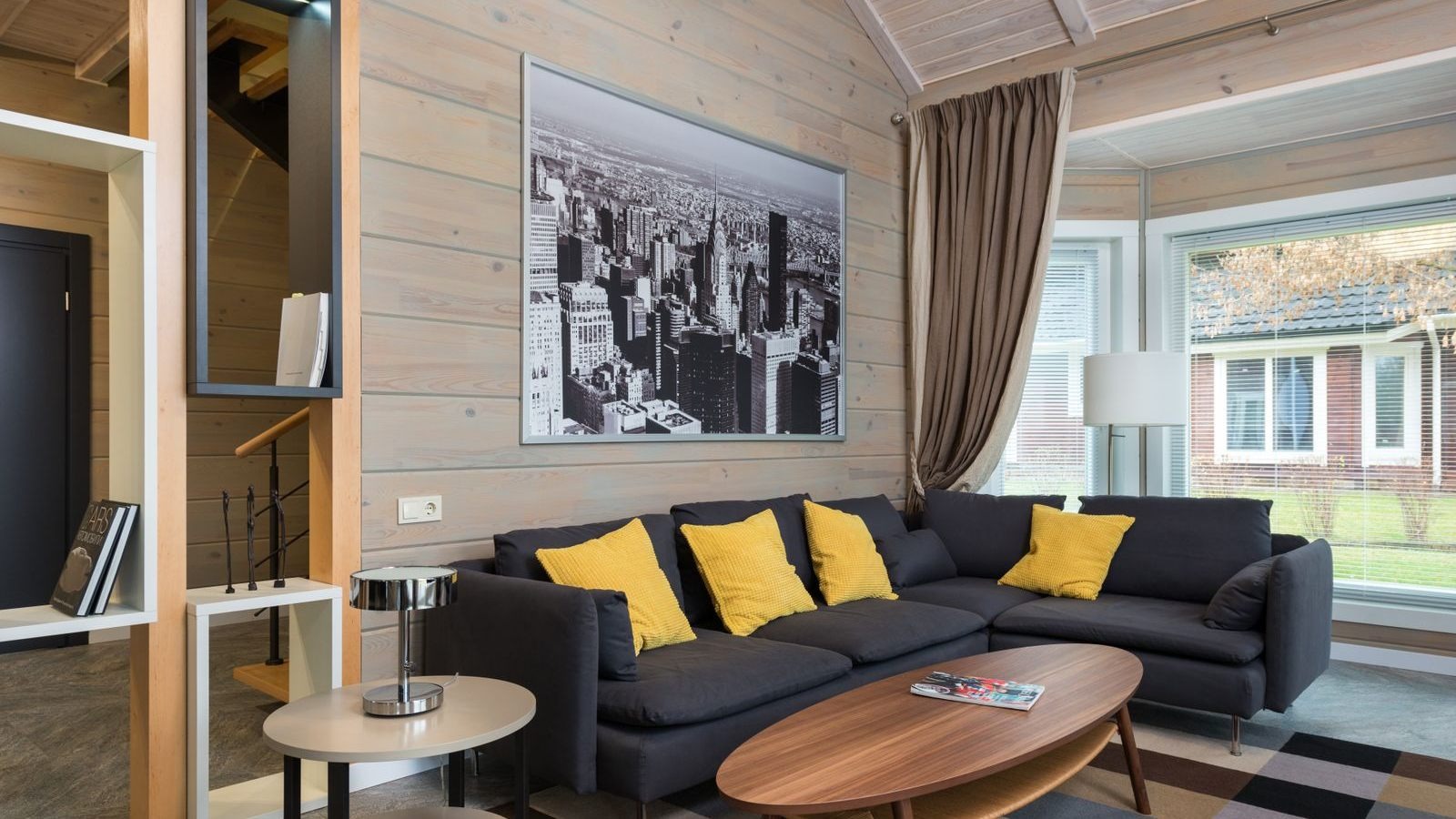
In a busy home, one large piece usually works better than a dozen small ones. There’s less to dust, nothing to knock crooked every time someone leans on the sofa, and the wall looks finished from across the room. It also gives a room a calm focal point, which helps when the rest of the space is full of toys and school papers.
Size is where most people go wrong. Art over a sofa, bench, or console should be about two-thirds the width of the furniture below it. Over an 84-inch sofa, that means a piece around 56 to 60 inches wide. Hang it so the center sits about 57 inches from the floor, and leave 8 to 10 inches between the bottom edge and the top of the sofa back so heads don’t bump it.
Choose subjects your whole family can live with for years. Landscapes, abstracts, and nature themes rarely feel dated, and the reasons more families are decorating with botanical-inspired pieces apply just as well to one oversized canvas as to a few houseplants. Standard 24 x 36 inch prints look small on a wide wall, so it’s worth shopping where large formats are the focus. Crib of Art’s XL+ paintings are made at that oversized scale, which saves you from stretching a small print across a space it can’t fill.
Canvas is also a smart pick for family rooms. It’s light for its size, there’s no glass to shatter, and a stray ball usually just bounces off.
Hang It So It Stays Put
A large piece is only as safe as the way it’s hung. Use a stud finder and fix heavy art into at least one stud whenever you can. Where there’s no stud, use heavy-duty drywall anchors rated well above the weight of the piece, not the small nails that come in a picture-hanging kit.
Skip sawtooth hangers on anything big. Two D-rings on the back with hooks or screws on the wall keep a piece level, and a French cleat holds very heavy art flat against the wall so it can’t swing. A couple of small bumper pads on the bottom corners stop it from shifting when doors slam.
If little ones can reach the wall, keep glass out of the lower 4 feet. Use acrylic in any frame hung at kid height, or stick with canvas. Anything you put against the wall needs the same care. Shelves, bookcases, and consoles should be anchored too, because children climb. According to the U.S. Consumer Product Safety Commission, 482 children were killed in tip-over-related incidents between 2000 and 2021, and 88% of them were under 5 years old. Anchoring kits cost a few dollars and take minutes to install.
Make the TV Wall Look Intentional
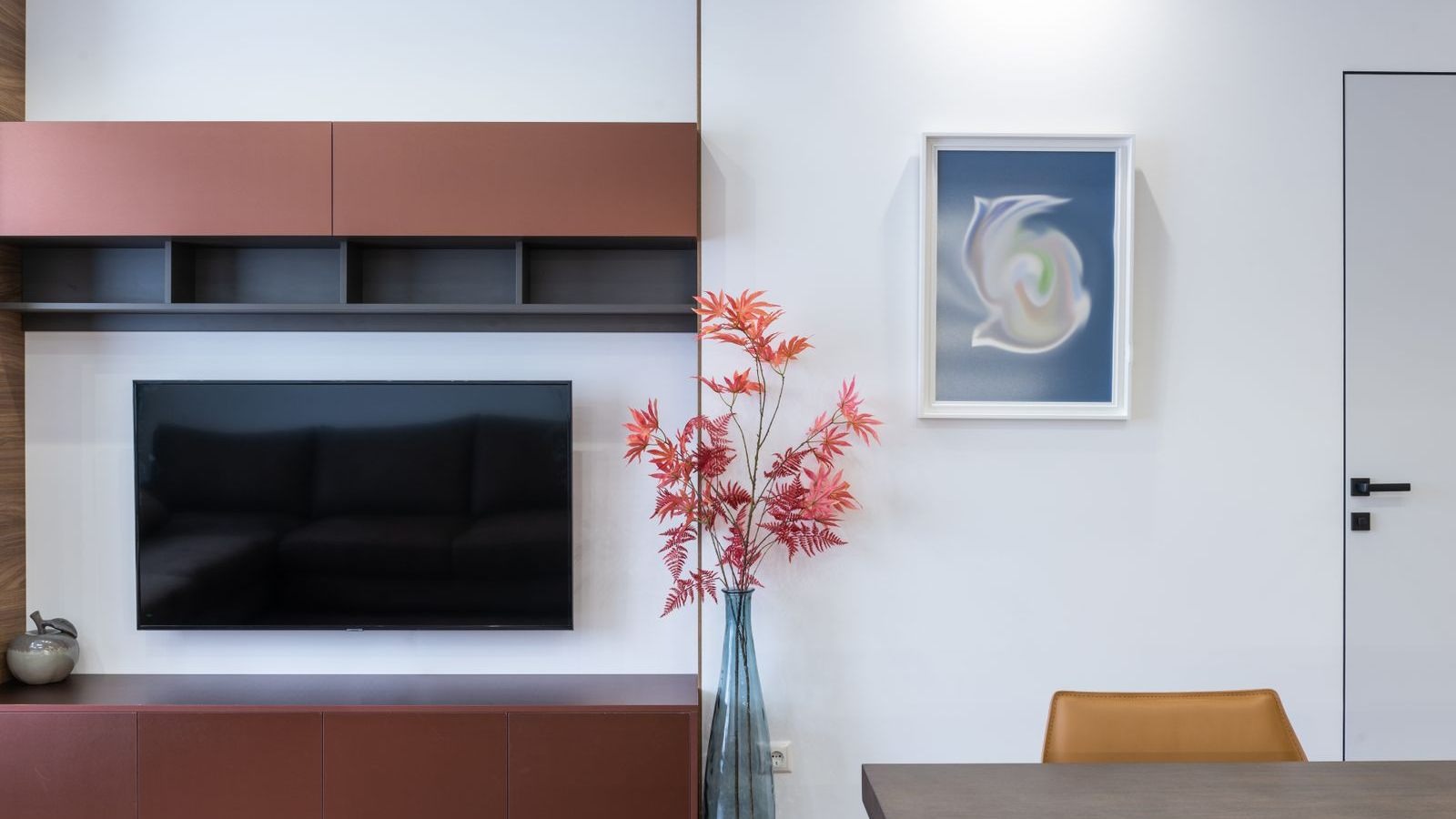
Image: Max Vakhtbovych / Pexels
In many family rooms, the biggest blank wall is the one with the TV on it. A black rectangle in the middle of a big wall tends to look like an afterthought, but it’s easy to make it look planned.
One option is to frame the TV with art. Hang two matching vertical pieces on either side, lined up with the top or bottom of the screen, so the TV becomes part of a balanced arrangement. Another is to offset everything: put the TV to one side and hang one long horizontal piece beside it at the same height.
Paint can help too. A darker wall color like navy, charcoal, or deep green makes a black screen almost disappear when it’s off. Ground the whole wall with a long media console, keep cords hidden in a cord cover painted the wall color, and leave a few inches of breathing room between the TV and any art so nothing feels crammed.
A Family Photo Wall That Doesn’t Look Cluttered
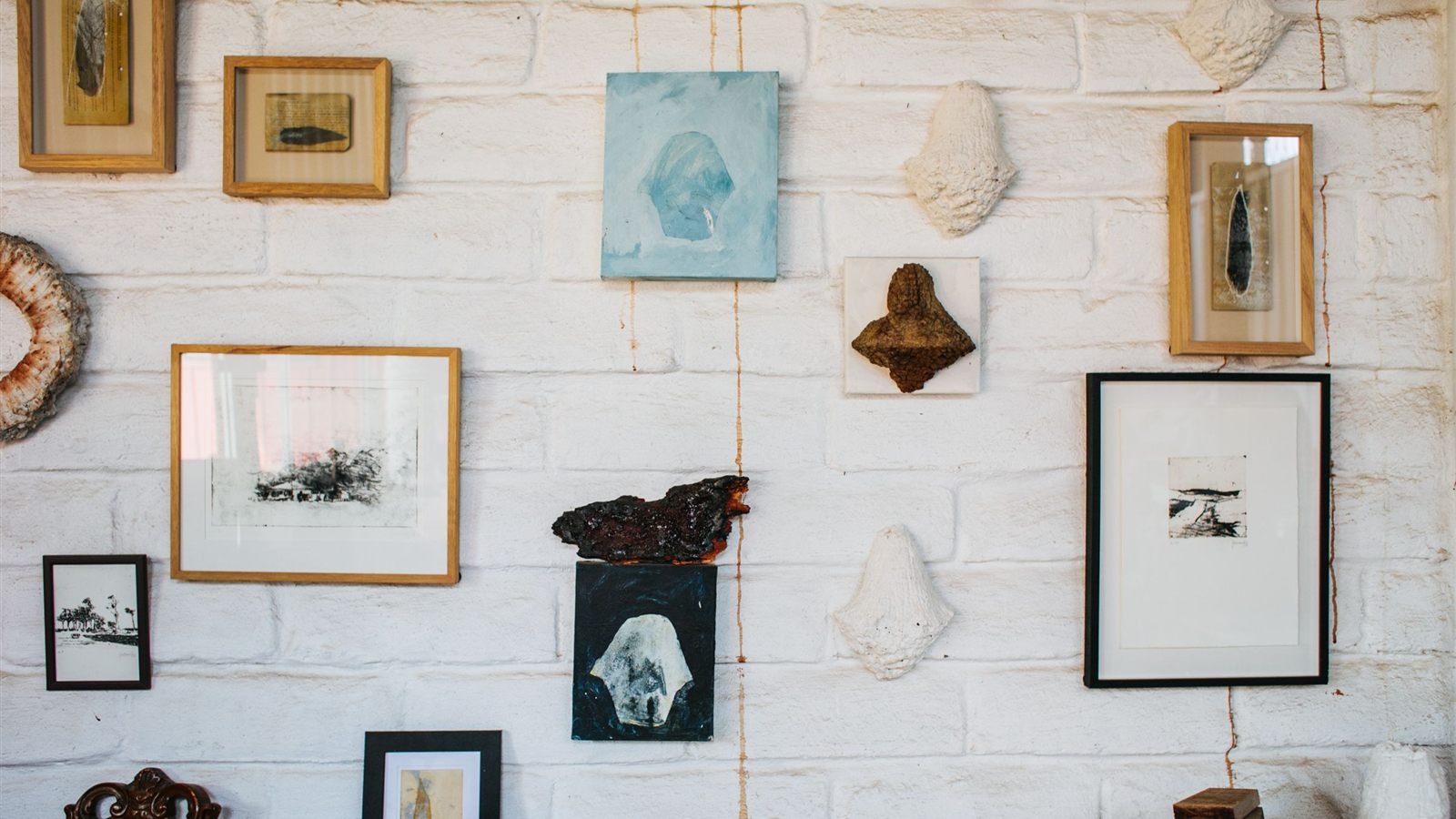
Image: Rachel Claire / Pexels
Family photos are the natural choice for a big wall, and they can look as polished as any gallery. The trick is to keep everything else consistent so the photos can be different.
Pick one frame color, or two at most, and use wide white mats for a clean look. Convert photos to black and white if your snapshots clash, or keep them in color and repeat the same frame size. Before you put a single nail in the wall, trace each frame on kraft paper, cut the shapes out, and tape them up. You can move the paper around for days until the layout feels right, then hammer straight through the marks.
Stairways are perfect for this. A photo timeline that climbs the stairs, from wedding or baby photos at the bottom to the latest school pictures at the top, turns a pass-through wall into the family’s favorite stop. Hang frames so their centers follow the angle of the stairs, about 57 inches above each step. Runners, mirrors, and a good light fixture finish the space, and these creative ways to decorate your hallways and stairways show how to layer them around a photo wall.
Give Kids a Wall That Grows With Them
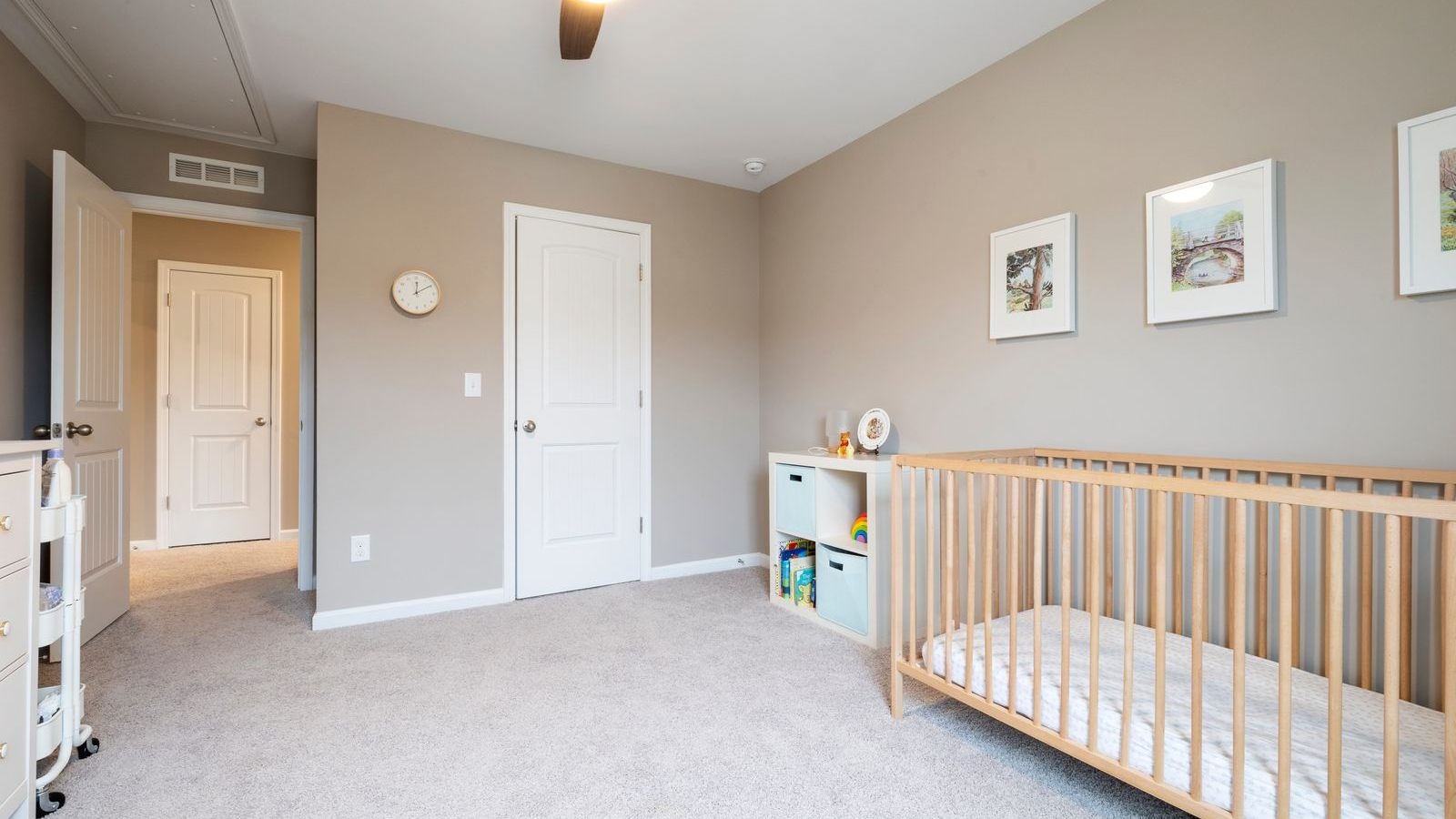
Image: Curtis Adams / Pexels
A large wall in a playroom, kids’ room, or family room corner doesn’t need to be finished. It works better when it can change.
Picture ledges are the easiest solution. Mount two or three long ledges and prop up kids’ artwork in simple frames, then swap pieces in and out as new masterpieces come home. Nothing gets nailed in, and the wall always feels current.
A section of chalkboard or magnetic paint at kid height gives children their own space to draw and display, which helps keep the rest of the house marker-free. A growth chart board is another favorite. Families who like DIY can cut one from a single plank, and the homemaker’s guide to plywood has plenty of ideas for simple ledges, boards, and wall panels you can build in an afternoon.
Leave room for change. A wall that holds toddler finger paintings today should be able to hold soccer photos and science fair ribbons a few years from now.
Paint, Molding, and Texture for Walls That Take a Beating
Sometimes the wall itself can become the decoration. Board and batten or wainscoting on the lower third of a wall adds architectural interest and protects the drywall from scuffs, chair backs, and toy trucks. Paint the molding in satin or semi-gloss and it wipes clean in seconds.
For the rest of the wall, choose a scrubbable finish. Eggshell and satin hold up to washing much better than flat paint, which tends to shine or rub off when you scrub crayon. If you want pattern, washable or peel-and-stick wallpaper on one wall makes a big statement without committing the whole room.
Texture works too. A large woven wall hanging, a quilt, or a set of fabric panels softens a big wall and absorbs some of the noise in a busy room. If you’re refreshing more than one room, these chic ways to upgrade your home without major renovations show how far paint and simple trim can go.
Watch the Colorado Sun
Big walls often sit across from big windows, and in Denver that matters. The EPA notes that UV intensity increases about 6% per kilometer of elevation above sea level. At roughly 1.6 kilometers up, Denver gets about 10% more UV than a city at sea level, and UV is what fades colors on art, fabric, and photos.
Before you hang an oversized piece, notice where the sun lands during the day. Keep paper prints and photos out of direct light, choose UV-filtering acrylic for anything framed, and consider sheer curtains or window film on west-facing windows. Colorado’s sunny days are part of what families appreciate most about living in Denver, so plan around them rather than fighting them.
When to Leave a Wall Alone
Not every large wall needs something on it. A wall you only pass on the way to the laundry room, or one beside a busy play area where balls fly every afternoon, can stay simple.
Empty space also gives the eye somewhere to rest. In a home full of toys, backpacks, and artwork on the fridge, one calm wall painted a color you love can feel more finished than one more thing to look at.
Frequently Asked Questions
How do I decorate a big wall in a living room with kids?
Start with one large, lightweight piece such as a canvas, hung securely into a stud. Keep glass out of reach, and use the lower part of the wall for things that can handle bumps, like molding or a picture ledge. Add family photos or kids’ art higher up where little hands can’t pull them down.
What’s the safest way to hang heavy art in a home with toddlers?
Screw into a stud whenever possible and use D-rings or a French cleat instead of a single wire or sawtooth hanger. Where there’s no stud, use drywall anchors rated well above the art’s weight. Add bumper pads to the bottom corners so the piece can’t swing.
Should I use glass or acrylic in frames for a kids’ area?
Use acrylic. It’s lighter than glass and doesn’t shatter if a frame falls. Many acrylic options also filter UV light, which helps protect artwork in sunny rooms.
How do I decorate around a wall-mounted TV?
Balance the TV with art on both sides, or offset it with one long horizontal piece beside it. A dark paint color helps the screen blend in when it’s off. Keep a few inches of space between the TV and any art so the wall doesn’t feel crowded.
How many family photos should go on one wall?
There’s no set number, but most large walls look best with 6 to 12 frames in a planned grid or a loose cluster. Keep the spacing between frames consistent, usually 2 to 3 inches. Test the layout with paper templates before you hang anything.
What paint finish is easiest to clean?
Satin and semi-gloss are the easiest to wipe down, which makes them good for trim and high-traffic walls. Eggshell is a good middle ground for living room walls. Flat paint is the hardest to clean and tends to show scrub marks.
How big should art be over an 84-inch sofa?
Aim for about two-thirds of the sofa’s width, so roughly 56 to 60 inches wide. That can be one large piece or a grouping that spans the same width. Hang it 8 to 10 inches above the sofa back.
Can I put a large canvas in a playroom?
Yes, and canvas is one of the best choices for a playroom because it’s light and has no glass. Hang it securely above kid height and choose a subject that won’t feel babyish in a few years. Pair it with a ledge or board below for rotating kids’ art.
How do I stop art from fading in a sunny room?
Keep art out of direct sunlight, use UV-filtering acrylic in frames, and add sheer curtains or window film to the brightest windows. Rotating pieces between rooms every few months also spreads out the sun exposure. Photos and paper prints fade fastest, so give them the shadiest walls.
How do I make a large wall feel cozy instead of empty?
Add warmth with texture, like a woven hanging, wood ledges, or fabric panels. Warm lighting from sconces or a nearby floor lamp also helps. Grounding the wall with furniture, such as a bench, console, or bookcase, makes it feel lived-in.
Final Thoughts
A large blank wall in a family home doesn’t have to wait for the perfect piece. Think about how your family uses the room, size art to the furniture below it, hang it so it stays put, and leave room for the photos and artwork your kids will bring home next. Whether you go with one oversized canvas, a photo timeline up the stairs, or a ledge full of finger paintings, the best wall is the one that looks like your family lives there.