
If you live in a place where storms, humidity, and heat are part of normal life, your windows and doors do more than affect curb appeal. They help manage energy loss, noise, moisture, and home security. In coastal Florida especially, replacement choices can affect insurance, comfort, and long-term maintenance costs. Before you commit to a project, it helps to understand what actually matters, what gets oversold, and where smart upgrades pay off.
Installation Quality Has More Impact Than Most Homeowners Realize
A premium product installed poorly can leak, rack, or fail inspection. That’s not rare. The installation phase determines how the unit integrates with the wall assembly, fasteners, waterproofing layers, and structural opening.
You should expect a serious contractor to discuss substrate condition, anchoring methods, shimming, sealant compatibility, and permit requirements. If the home is older, there may be hidden issues around rot, uneven openings, or outdated framing details. Those problems affect labor, scheduling, and final performance.
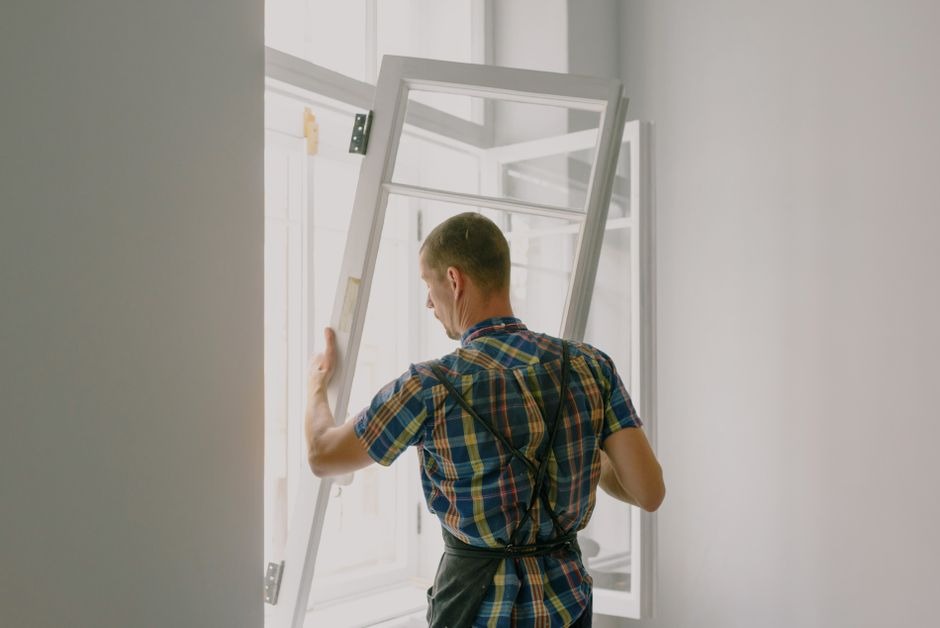
When homeowners compare bids, they often focus on product labels and miss the labor scope. That’s risky. Working with professional window and door installers can make a major difference because the value is not only in the unit itself, but in code-aware installation that holds up under real weather pressure.
Start With Performance, Not Appearance
It’s easy to get pulled in by frame colors, grille patterns, and sleek hardware. Those details matter, but performance should come first. In storm-prone areas, you need to look at impact resistance, design pressure ratings, water infiltration, and air leakage.
A beautiful unit that underperforms during hurricane season becomes an expensive mistake. You should ask whether the product meets local code requirements and whether it has been tested for large missile impact if that applies in your area. Insulated glass also matters, especially if your home gets direct afternoon sun.
The strongest buying decisions usually come from balancing aesthetics with building-envelope performance. If a contractor only talks about looks and skips specs, permits, and code compliance, that’s a red flag worth taking seriously.
Understand How Local Climate Changes the Decision
Window and door replacement is not the same in every state. Coastal weather creates a very different set of priorities than dry inland climates. Salt air can wear down hardware faster, heavy rain can expose installation flaws, and prolonged UV exposure can punish lower-grade materials.
That means you should think beyond the product brochure. Vinyl, aluminum, and composite frames all behave differently under heat and moisture stress. The glass package also matters more than many homeowners expect. Low-E coatings can help reduce solar heat gain, while laminated impact glass adds storm protection and can cut outside noise.
If you’re planning a project in South Florida, local code knowledge is part of the product itself. A properly selected unit in the wrong opening, or installed without attention to flashing and sealants, can undercut the whole investment.
Permits, Inspections, and Insurance Should Be Part of the Conversation
A lot of people treat replacement windows and doors like a simple home refresh. In many storm-exposed regions, it’s closer to a regulated exterior improvement with insurance implications. That changes the stakes.
You should ask who is pulling the permit, what inspections will be required, and whether the products have the approvals needed for your jurisdiction. Product approval numbers, manufacturer certifications, and documentation for the installed system are not minor paperwork details. They can matter during resale, claims, and post-storm assessments.
Insurance can also play a role in your return on investment. Some homeowners may qualify for premium reductions when they install approved impact-rated openings. The exact savings vary, and you should verify them directly with your carrier, but it’s smart to factor insurance conversations into the planning stage instead of treating them as an afterthought.
Energy Efficiency Is More Specific Than Marketing Makes It Sound
Most replacement products are sold with broad energy-saving claims, but the real picture is more technical. You should look at U-factor, Solar Heat Gain Coefficient, visible transmittance, and air leakage data instead of relying on vague promises.
For hot, humid climates, lower solar heat gain can matter more than homeowners expect. If one side of your home bakes in direct sun every afternoon, better glazing can reduce room temperature swings and ease strain on your HVAC system. That does not mean every expensive upgrade pays for itself quickly. Some features are worth it for comfort and durability more than raw utility-bill savings.
You should also think room by room. A west-facing living room, a front door with lots of glass, and second-story bedrooms may all need different solutions. Good planning is rarely one-size-fits-all.
The Lowest Quote Can Cost You More Later
Price shopping is normal, but line-item comparisons matter more than the bottom number. One estimate may include permit handling, debris removal, upgraded sealants, structural adjustment, and interior touch-up. Another may leave several of those items out until change orders appear.
You should ask for a written scope with model details, glazing type, warranty information, installation method, projected timeline, and exclusions. If the proposal feels vague, assume the project may get more expensive once work starts. Transparency upfront usually signals stronger project management.
Warranty terms also deserve a close read. Manufacturer warranties cover the product, but labor warranties come from the installer. If something leaks around the frame six months later, the distinction becomes very real. A slightly higher quote from a better-managed company can be the cheaper option over the life of the project.
Think About Daily Living, Not Just Storm Season
Storm protection often drives the purchase, but your windows and doors affect daily life all year. Better units can reduce street noise, improve indoor comfort near large openings, and make rooms feel more stable during extreme heat.
Security is another practical factor. Impact-rated assemblies are not the same as standard glass replacements. They are designed to resist severe forces, and that added resilience can provide peace of mind beyond weather events. You may also notice less fading on flooring and furniture if the glazing package filters more UV exposure.
Then there’s maintenance. Some homeowners choose a product based only on showroom appeal, then get frustrated by hardware corrosion, difficult cleaning access, or finishes that show wear quickly. A good decision works on paper and in everyday use, from cleaning day to August storm alerts.