
[Photo by Aflo Images on Canva].
Home décor trends often come and go, but botanical-inspired interiors have proven to be more than a passing style. From leafy centerpieces and dried floral arrangements to natural textures and seasonal greenery, families are increasingly bringing elements of the outdoors into their homes. These decorative choices create warm, welcoming spaces that encourage relaxation and togetherness.
One reason botanical décor has become so popular is its versatility. Whether decorating a dining table for a family gathering, refreshing a living room shelf, or creating handmade seasonal displays, botanical pieces complement a wide range of decorating styles. .
Bringing Nature Into Everyday Living
Botanical-inspired décor helps soften interiors by introducing natural shapes, earthy colors, and organic textures. Even small decorative touches can make a room feel calmer and more inviting.
Families often incorporate botanical elements through:
- Fresh or artificial flowers
- Greenery garlands
- Woven baskets
- Wooden decorative accents
- Dried branches and grasses
- Nature-inspired artwork
Botanical pieces tend to remain relevant because they draw inspiration from the natural world rather than short-lived design movements.
Botanical Crafts Encourage Family Creativity
Decorating with botanical pieces also lends itself naturally to family craft projects. Creating handmade decorations allows children and adults to work together while producing meaningful items that can be displayed throughout the home.
Popular botanical-inspired projects include:
Handmade Wreaths
Seasonal wreaths made with greenery, dried flowers, ribbons, or faux foliage can brighten entryways year-round.
Floral Centerpieces
Simple arrangements using decorative containers, branches, and silk flowers make attractive table displays for everyday dining or family celebrations.
Pressed Botanical Art
Leaves and flowers can be pressed and framed to create an affordable wall décor that celebrates the changing seasons.
Seasonal Decorating Becomes Easier
One of the biggest advantages of botanical-inspired décor is how easily it transitions throughout the year. Rather than replacing every decorative item with each season, families can make subtle updates by changing colors, foliage, or decorative accents.
For example:
- Spring may feature pastel flowers and budding branches.
- Summer often highlights bright greenery and natural textures.
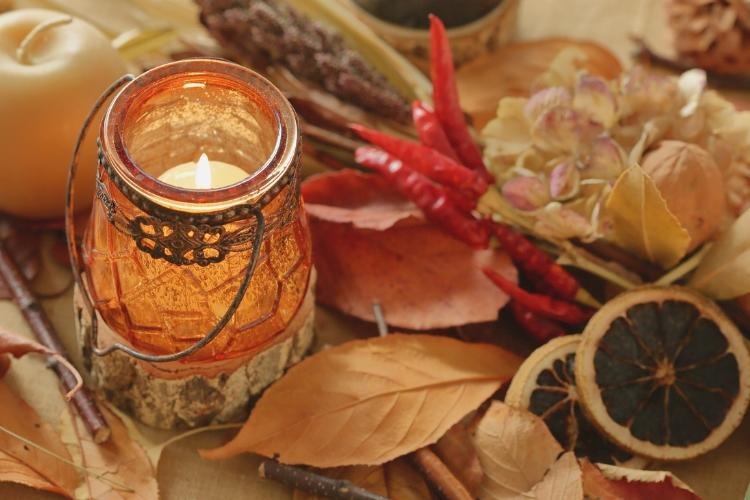
- Autumn introduces warm foliage, pumpkins, and rustic accents.
- Winter incorporates evergreen branches, pinecones, and berries.
This flexible approach allows homeowners to refresh their décor without completely redesigning their living spaces.
When creating seasonal displays, many families choose decorative supplies that can be reused year after year.
Retailers such as Jamali Garden offer collections designed for seasonal decorating, including autumn-inspired accents suitable for craft projects, centerpieces, and home displays. Those looking for inspiration can browse the wholesale fall décor collection available through Jamali Garden when planning larger decorating projects or community events.
Decorating With Purpose Instead of Clutter
As family homes become busier, many people are moving away from overcrowded decorative displays in favor of thoughtfully chosen pieces that serve a purpose.
Botanical-inspired decorating supports this approach by encouraging quality over quantity.
Instead of filling every shelf or tabletop, consider creating intentional focal points such as:
- A simple floral arrangement on the dining table.
- A collection of candles surrounded by seasonal greenery.
- A decorative tray featuring natural textures.
- A single statement vase filled with branches or dried flowers.
The result is a home that feels comfortable and lived in rather than overly decorated.
Mixing Handmade Pieces With Store-Bought Décor
One reason botanical decorating appeals to families is that it encourages creativity without requiring every item to be handmade.
Many homeowners enjoy combining crafted decorations with professionally made pieces.
For example, a handmade wreath might be paired with a decorative lantern, while a child-created floral arrangement could sit alongside ceramic vases or wooden candle holders. This layered approach creates a collected look that feels authentic and personal.
Children also take pride in seeing their own creations displayed around the home, making seasonal decorating a shared family tradition instead of an individual project.
Over time, these handmade pieces often become keepsakes associated with birthdays, holidays, or memorable weekends spent crafting together.
Botanical Décor Works in Every Room
Another reason botanical-inspired decorating continues to grow in popularity is its adaptability. Natural decorative elements work well throughout the home.
In kitchens, small herb displays or floral centerpieces add warmth to everyday meals. Living rooms benefit from greenery arranged alongside books and decorative accessories. Bedrooms feel more relaxing when soft botanical colors and natural materials are introduced through simple decorative touches.
Even entryways become more welcoming with seasonal wreaths, lanterns, or decorative branches displayed near the front door.
Because botanical décor is so versatile, families can gradually build collections that evolve with changing tastes and seasonal celebrations.
Creating New Family Traditions Through Seasonal Decorating
Botanical-inspired décor has another benefit that often goes unnoticed, it encourages families to establish traditions that can be repeated and adapted over the years. Rather than treating seasonal decorating as another household task, many families use it as an opportunity to spend time together and mark the changing seasons in meaningful ways.
Simple traditions can have a lasting impact. Gathering autumn leaves for a centerpiece, creating a new wreath each spring, or arranging fresh flowers before a holiday meal allows every family member to contribute something unique. Children can help select color palettes, arrange decorative accents, or craft handmade ornaments using natural materials collected from the garden or local parks.
These shared projects also encourage creativity without requiring expensive supplies or advanced crafting skills. A few decorative containers, seasonal foliage, candles, and botanical accents are often enough to transform everyday spaces into warm, inviting environments that reflect the time of year.
Over time, these decorating rituals become part of a family’s story. Handmade centerpieces may reappear at annual celebrations, while favorite botanical displays become familiar reminders of holidays, birthdays, and special gatherings. As tastes evolve and new family members join in, these traditions continue to grow, creating homes that feel both thoughtfully designed and deeply personal.
Conclusion
Botanical-inspired decorating offers families a simple way to create homes that feel warm, welcoming, and connected to nature. Whether through handmade crafts, seasonal centerpieces, or carefully chosen decorative accents, these natural elements bring texture, color, and personality into everyday living spaces.
Perhaps most importantly, botanical decorating encourages shared experiences. Crafting together, updating seasonal displays, and creating meaningful home traditions allow families to enjoy both the creative process and the finished result.
As decorating trends continue to evolve, botanical-inspired pieces remain a timeless choice that balances beauty, versatility, and personal expression.