
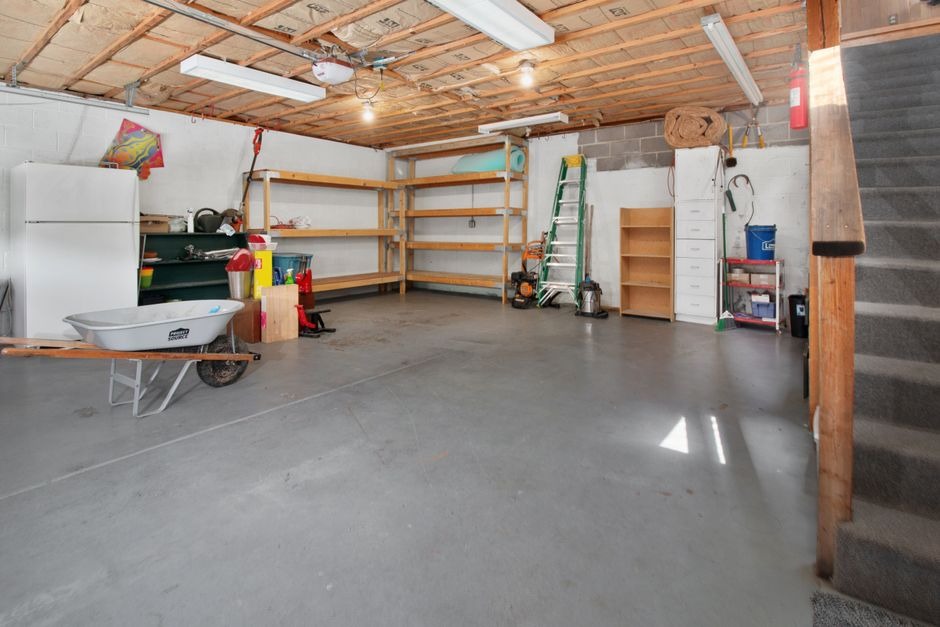
A garage is supposed to add useful space to a home, yet it often becomes the first place where everything without an obvious home gets deposited. Seasonal equipment, tools, outdoor gear, vehicles, and household overflow can take over quickly. A garage that has gradually become crowded does not necessarily need more square footage. More often, it needs clearer priorities and a storage system designed around how the household actually uses the space.
Decide What the Garage Needs to Do First
Organization gets easier once the purpose of the garage is clear.
Some households primarily need secure parking. Others need room for tools, bikes, sports equipment, gardening supplies, or a workbench. Many expect the garage to do several of those jobs at the same time.
That is where problems begin.
If every available corner becomes general storage, frequently used items become difficult to reach while objects that have not been touched for years occupy valuable space.
Start by identifying the functions that matter most. Parking should have enough clearance to remain practical. A workshop needs usable surfaces rather than shelves spilling onto the bench. Sports equipment should be close enough to the door that retrieving it does not involve moving five boxes first.
Once the purpose is defined, storage decisions become much less random.
Build Storage Around the Space You Already Have
Floor space is usually the most valuable area in a garage because vehicles, workbenches, equipment, and people all compete for it.
Walls and ceilings are often underused.
For households struggling to translate those unused surfaces into practical storage, a professional garage organizer service can help design a setup around existing floor, wall, and overhead space. Custom storage can be particularly useful when standard shelving does not suit the garage dimensions or when the goal is to preserve parking and working areas while increasing storage capacity.
Whatever approach you take, accessibility should guide placement.
Objects used every week belong somewhere easy to reach. Seasonal items can sit higher or farther away. Heavy objects should generally stay lower, while lighter containers are better candidates for elevated storage.
The aim is not simply fitting more into the room. It is fitting things there without making them harder to use.
Clear Out What No Longer Deserves the Space
Buying shelves before dealing with clutter usually produces better-organized clutter.
Go through the garage first.
Items that are broken, obsolete, duplicated, or unlikely to be used again should not automatically receive a new storage container. Old household supplies, abandoned hobbies, empty boxes, worn equipment, and unidentified hardware can quietly occupy a surprising amount of room.
Group similar items while sorting. Seeing everything together makes excess easier to recognize.
This stage also exposes what actually needs storage. You may discover that the garage does not require six new shelving units after all. It may simply need one strong storage area and fewer things competing for it.
Be practical rather than sentimental about low-value items. The goal is not an empty garage. It is creating enough room for the objects and activities that still matter.
Give Different Activities Their Own Zones
A functional garage benefits from simple zoning.
Tools can stay around the workbench. Outdoor equipment can occupy another wall. Sports gear can remain near the exit. Household supplies can have a separate section rather than slowly spreading across every shelf.
This reduces the amount of searching required.
It also makes putting things away easier because there is less uncertainty about where something belongs.
Clear bins can help with items that are not used constantly, while open storage is often better for objects that are reached for every week. Labels are useful, particularly when containers look identical.
Organizing the garage into dedicated zones is also a widely used strategy because it keeps related objects together and makes frequently used items easier to reach. A practical garage organization approach can combine defined zones with shelving, ceiling storage, pegboards, and labeled containers rather than relying on one storage method for everything.
The system does not need to look showroom-perfect. It needs to make sense at a glance.
Use Vertical Storage Without Creating New Problems
Walls can hold much more than shelving.
Hooks are useful for ladders, folding chairs, bicycles, cords, and long-handled tools. Pegboards or modular wall systems can make smaller equipment visible instead of burying it in drawers.
Overhead racks can free significant floor space, but they should be used selectively.
Anything stored above head height becomes less convenient. That makes ceiling areas better for lightweight, occasional-use items such as seasonal decorations or camping equipment rather than heavy tools that need to be retrieved every few days.
Installation also matters.
Shelving and overhead storage should be anchored correctly and used within their weight limits. Saving space is not worth creating a falling-object hazard.
Think about movement as well. Storage should not interfere with garage doors, lighting, vehicle clearance, or normal walking paths.
Every added rack should make the garage easier to use, not merely increase its theoretical capacity.
Plan for Seasonal Changes Instead of Fighting Them
The contents of a garage rarely stay equally important all year.
One group of equipment becomes useful while another sits untouched for months. Without a rotation system, everything remains in prime storage space permanently.
Move current-season equipment into easier positions when needed, then shift it back when that season ends.
This is also a good time to inspect what is being stored. Damaged equipment can be repaired or discarded. Clothing and sports gear that no longer fit can leave the garage instead of returning to storage for another year.
Seasonal changes can also affect what is safe to keep in an unconditioned garage. Temperature swings may damage certain fluids, aerosols, or other materials. Cold-weather preparation may therefore involve more than rearranging equipment; some garage contents are better moved to more suitable storage when temperatures drop.
A twice-yearly review is often enough to prevent seasonal gear from taking over.
Keep Safety Separate From Appearance
A clean-looking garage is not automatically a safe garage.
Chemicals, fuels, sharp tools, pesticides, power equipment, and heavy objects require deliberate storage. Anything hazardous should be kept according to its label instructions and away from children or pets.
Do not place heavy containers on unstable upper shelves simply because the floor looks cleaner afterward.
Walking routes should remain clear. Extension cords should not snake permanently across traffic areas. Shelving needs to be stable, while stored objects should not interfere with electrical panels or mechanical equipment.
Moisture deserves attention too.
Cardboard boxes deteriorate quickly when exposed to damp conditions. Sensitive household possessions may be better stored indoors if the garage experiences major changes in temperature or humidity.
Organization should reduce risk as well as clutter.
Make Maintenance Easier Than Another Complete Cleanout
The most impressive garage organization system is useless if it collapses within two months.
Maintenance needs to be simple enough for ordinary life.
If putting an item away requires opening three containers and moving another box, somebody will eventually leave it on the floor. Frequently used objects need the easiest storage locations for that reason.
A short reset every week or two can prevent accumulation. Return loose tools. Throw away packaging. Move objects back into their zones.
Keep one small area available for things that need to leave the house through donation, recycling, or disposal. Otherwise, those items tend to drift back into general storage.
Then review the entire garage a few times each year rather than waiting until it becomes unusable again.
Small resets are easier than major rescues.
Turn Empty Space Into Useful Space
An organized garage can do more than hold additional possessions.
Once floor and wall space are controlled, the room may regain its original purpose or take on a new one. Parking becomes easier. A workbench becomes usable again. Exercise equipment has somewhere to go. Bikes can be reached without dismantling a pile of boxes.
The benefits often spread into the rest of the house too.
When outdoor gear, tools, household supplies, and seasonal items have reliable storage, they are less likely to overflow into closets, hallways, spare rooms, or entry areas.
That is the real value of garage organization.
It is not about making rows of matching containers look impressive. It is about deciding what belongs in the space, putting it somewhere logical, and keeping enough room available for the garage to remain useful.
A good system should fade into the background. You find what you need, put it back, and move on.
That is when the garage starts working like part of the home again rather than simply storing everything the rest of the house rejected.