
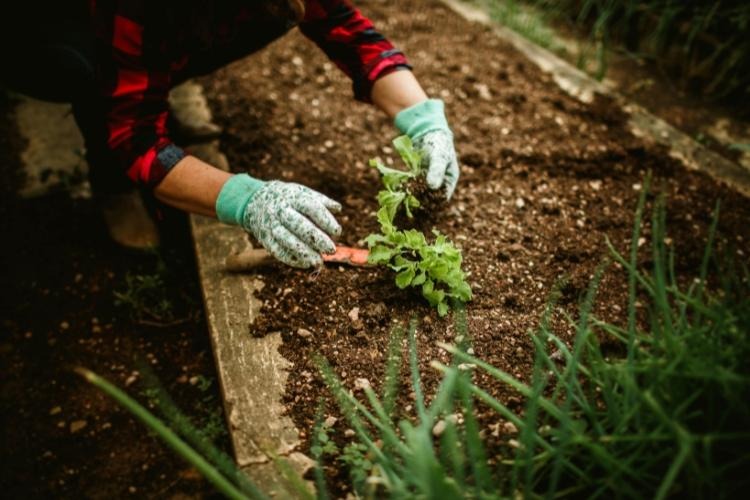
You do not need a large backyard to create an outdoor space that feels peaceful and welcoming. A small patio, balcony, porch, or unused corner of the yard can become a comfortable retreat with a little creativity and some simple DIY work.
The key is to think about how you want to use the space before you start decorating it. Instead of trying to fit everything into a limited area, focus on a few features that make spending time outside more enjoyable.
Start With A Simple Plan
Before buying furniture, plants, or decorations, take time to observe the area. Notice how much sunlight it gets, where shade appears during the day, and whether any areas need more privacy.
Think about your main goal for the finished space as well. You might want somewhere to enjoy your morning coffee, read a book, work on small gardening projects, or simply sit outside at the end of a busy day.
Once you know what you want from the area, sketching a basic layout can help. It does not need to be detailed; simply mark where seating, plants, storage, and decorative elements could go.
Make Comfortable Seating A Priority
A relaxing outdoor space needs comfortable seating, but large furniture can quickly overwhelm a small area. Look for compact chairs, a narrow bench, folding furniture, or seating that can serve more than one purpose.
Adding outdoor cushions can make even simple furniture feel more inviting. Choose outdoor-rated materials so they can handle occasional moisture, sunlight, and everyday wear without constant attention.
If you enjoy DIY projects, consider building a simple wooden bench or refreshing an inexpensive secondhand chair. Sanding, painting, or adding new cushions can completely change an older piece while keeping the project affordable.
Add Greenery Without Taking Up Too Much Room
Plants are one of the easiest ways to make an outdoor area feel calmer and more established. Container gardening works particularly well in compact spaces because you can arrange, move, and swap pots as needed.
Choose plants based on the amount of sunlight available, not appearance alone. Herbs, flowers, small shrubs, and other container-friendly varieties can all work, as long as their growing requirements match the conditions in your space.
People who enjoy experimenting with different types of home growing projects may also come across options such as autoflower seeds from Liberty Seed Bank. Whatever you choose to grow, consider local laws where applicable and make sure you can provide the appropriate light, space, containers, and ongoing care.
Use Vertical Space Creatively
When floor space is limited, walls, fences, and railings become valuable design elements. Vertical gardening adds greenery without sacrificing space for seating or movement.
A simple wooden trellis, wall-mounted planter, or narrow shelving unit can hold several small pots. Hanging baskets can also introduce flowers and trailing plants while keeping the floor clear.
Many vertical features can become enjoyable DIY projects themselves. Reclaimed wood, old shelving, and suitable containers can often be repurposed into attractive garden displays rather than being thrown away.
Create A Sense Of Privacy
Even a small outdoor space can feel relaxing when it offers some separation from neighboring properties or busy surroundings. You do not necessarily need to build a permanent fence to create that feeling.
Tall container plants, outdoor curtains, bamboo screens, trellises, or decorative panels can provide partial screening. The goal is usually not to block everything from view but to make the seating area feel slightly more enclosed and comfortable.
For renters, temporary solutions can be particularly useful because they can be removed or relocated later. Just make sure anything tall or lightweight is properly secured, especially on exposed balconies or patios where strong winds may occur.
Bring In Soft Lighting
Lighting can transform an ordinary patio or balcony once the sun goes down. Instead of relying on one bright light, consider several smaller sources that create a warmer and more relaxed atmosphere.
Solar lanterns, outdoor string lights, and rechargeable lamps work well in areas with limited electrical outlets. You can also move them easily whenever you change the layout.
Think about safety when placing lighting around pathways, steps, or seating. Good lighting should make the space easier to use while still maintaining the calm atmosphere you are trying to create.
Include A Few Personal DIY Details
Small handmade details can add personality to an outdoor area without a large budget. Painted planters, homemade signs, decorated stones, and simple outdoor artwork are all projects that families can work on together.
Children can paint flowerpots or help create decorations from suitable recycled materials. Adults might prefer building a planter box, refinishing furniture, or making a small outdoor table from leftover wood.
Try not to fill every available surface with decorations. Leaving some open space helps a compact patio or balcony feel organized, not cluttered.
Find Smart Ways To Add Storage
Outdoor spaces often need somewhere to keep gardening supplies, cushions, toys, or craft materials. Without storage, these everyday items can quickly take over a small area.
Look for furniture with hidden storage or use weather-resistant boxes that can double as side tables. Wall hooks and narrow shelving can also keep smaller items organized without using valuable floor space.
Keeping the area tidy makes it much easier to enjoy. When everything has a designated place, preparing the space for a quiet afternoon outside takes only a few minutes.
Let The Project Develop Over Time
You don’t need to complete your outdoor makeover in a single weekend. In fact, allowing the project to develop gradually can make it more enjoyable and help prevent unnecessary spending.
Start with the essentials, such as comfortable seating and a few plants, and then observe how you actually use the area. You may find you need more shade, extra storage, or fewer decorations than you expected.
A gradual approach also creates opportunities for future DIY projects. You can add new planters, repaint furniture, change seasonal decorations, or experiment with different plants whenever you feel inspired.
Create A Space You Will Actually Use
The most successful outdoor spaces are not necessarily the largest or most expensive. They make it easy to step outside, get comfortable, and spend a little more time away from screens and everyday distractions.
By combining compact furniture, container plants, thoughtful lighting, practical storage, and a few handmade details, even a tiny outdoor area can become a welcoming extension of the home. Treating the transformation as an ongoing DIY project also makes the process part of the fun, giving you a space that can keep changing with your needs and interests.