
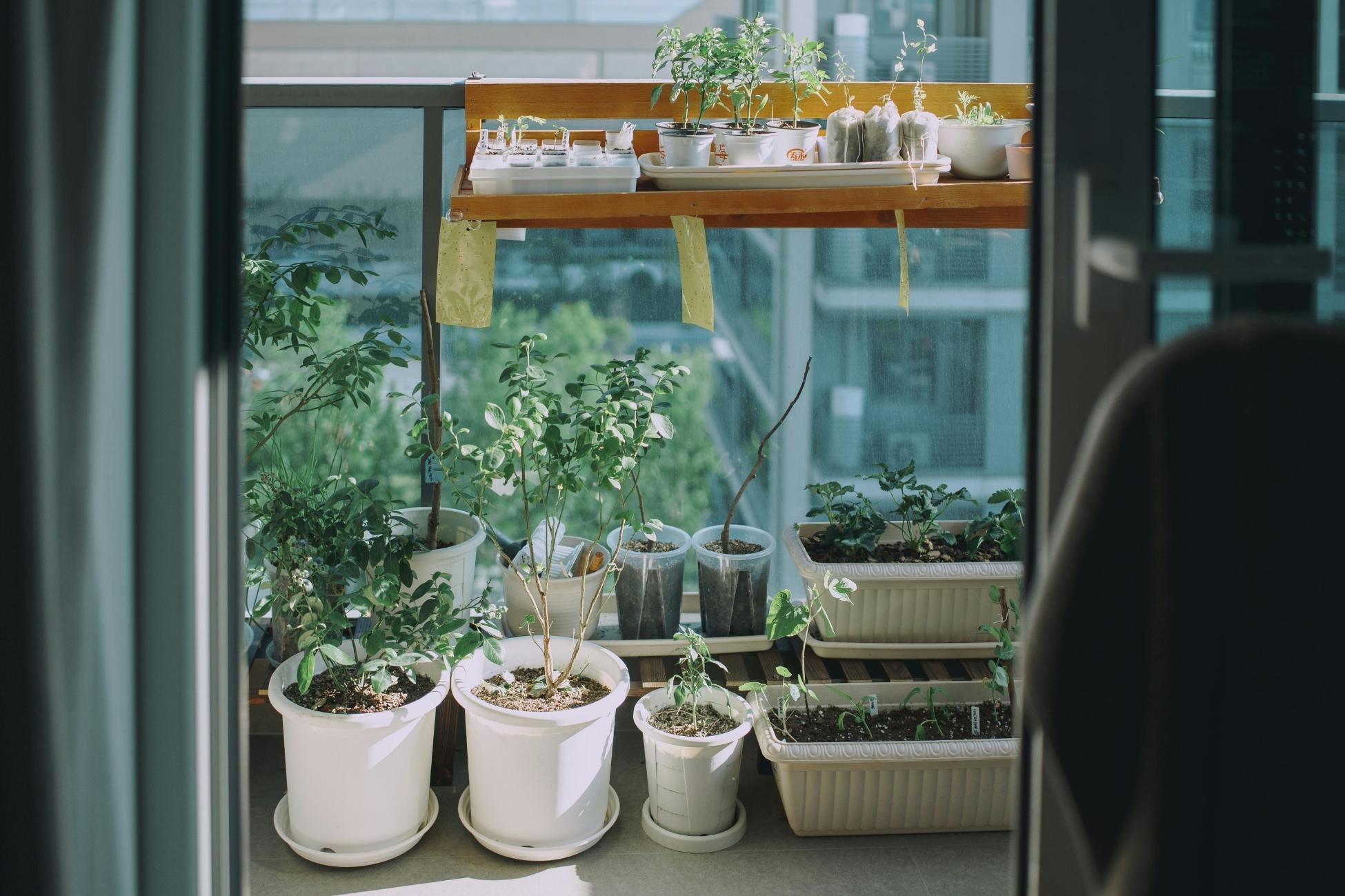
[Photo by JUNLIN ZOU on Canva].
A small balcony can do far more than hold a folding chair and a forgotten watering can. With a little planning, even a compact outdoor space can become a productive container garden filled with herbs, flowers, vegetables, and other plants suited to your local climate.
For Colorado city dwellers, balcony gardening is especially useful when access to a traditional yard is limited. The main challenge is making smart choices about space, containers, sunlight, and water from the beginning.
A few well-chosen plants will usually perform better than an overcrowded collection that becomes difficult to manage.
Work With the Conditions You Have
Before buying pots or seeds, spend a few days observing your balcony. Note where sunlight falls in the morning and afternoon, which corners are shaded, and how exposed the area is to wind.
Balconies can create their own small growing environments. Upper floors may feel windier than street level, while walls and paving can hold warmth. Space matters too. Measure the usable floor area before choosing containers. Leave enough room to walk, water plants, and reach every pot without moving half the garden first.
If floor space is tight, think vertically. Wall-mounted planters, shelving, railing boxes, and narrow plant stands can add growing space without making the balcony feel crowded.
Choose Containers for the Plant, Not Just the Look
Decorative pots can make a balcony feel more inviting, but the container still needs to work for the plant inside.
Drainage should be your first consideration. Pots need a place for excess water to escape, especially after heavy watering or rain. Containers without suitable drainage can leave roots sitting in saturated growing medium.
Size also matters. Small herb plants can live comfortably in modest pots, while tomatoes and other larger plants need more room for their root systems. Starting with a container that is too small often means repotting sooner than expected.
Think about weight before filling oversized planters with soil. Balcony gardeners should consider the load they add to the space and avoid placing large, heavy containers where they could be difficult to move safely.
Pick Plants That Work in Containers
Beginners often have better results when they start with plants naturally suited to contained spaces. Herbs are an obvious choice because many remain relatively compact and can also be useful in the kitchen.
Good options to consider include:
- Basil
- Parsley
- Thyme
- Chives
- Lettuce and other leafy greens
- Compact pepper varieties
- Patio-friendly tomatoes
- Flowers suited to pots and window boxes
Also, adults interested in cannabis cultivation where home growing is legal should treat it like any other specialist crop in one important way: research the mature plant, its space requirements, and the rules that apply before deciding whether it belongs in your garden.
Seed Quality Matters More Than Beginners Think
A successful container garden starts before the first shoot appears. Seed quality shapes the experience from the start, so buy from a source that clearly identifies what you’re getting rather than choosing mystery seeds based on price alone.
Look for seeds that come with useful variety information. You should know what type of plant you are growing and have enough information to judge whether it fits your available space. For ordinary balcony crops, that might mean choosing compact tomato varieties instead of plants that will quickly outgrow their containers.
The same logic applies to legal cannabis cultivation. Autoflowering varieties are one category adults may encounter when researching seeds, and prospective growers should still consider available space, local regulations, and the needs of the individual variety. www.pacificseedbank.com lists autoflowering options for adults researching this particular seed category.
Whatever you decide to grow, avoid sowing every seed at once. Starting with a manageable number of containers gives you time to learn how quickly the growing medium dries, where plants receive the best light, and how much daily maintenance the balcony requires.
Make Watering Part of Your Routine
Container plants depend on you more heavily than plants growing directly in the ground. Less soil holds moisture, and pots exposed to sun or wind may dry out faster than expected.
Do not rely entirely on a fixed watering timetable. Check the growing medium instead. If the upper layer feels dry, investigate a little deeper before deciding whether the plant needs water.
Water slowly so moisture can soak through the container rather than running straight over the surface. Morning can be a convenient time because it lets you check plants before the day gets busy.
Group pots with similar needs together. Keeping thirsty plants in one area and drought-tolerant varieties elsewhere makes the routine easier and reduces the chances of giving everything the same treatment.
A small watering can is often more practical than dragging a hose through an apartment. Keep it close to the balcony so watering doesn’t become a chore you keep putting off.
Make Every Inch Work Harder
Once the basics are working, you can make the balcony more productive without adding much clutter.
Use taller plants toward the back so they do not shade smaller containers unnecessarily. Shelving can hold herbs and seedlings, while larger pots stay at floor level. Hanging planters are useful for trailing plants if they can be secured safely.
You can also mix practical and decorative planting. Edible herbs do not need to sit in a separate “vegetable garden” corner. Rosemary, chives, leafy greens, and flowering plants can share the same overall design.
Leave some space. An overcrowded balcony becomes difficult to water, clean, and enjoy. Your garden should still feel like part of your home rather than a storage area for pots.
Final Thoughts
Container gardening makes it possible to grow something worthwhile even when your outdoor space is measured in feet rather than acres. The best beginner setup starts with a realistic look at sunlight, wind, available room, and the amount of maintenance you can manage.
Choose appropriately sized containers, buy seeds with clear variety information, and begin with a modest number of plants. From there, pay attention to how each one responds to your balcony.
A small city garden will always involve some trial and error. That is part of its appeal. With every season, you learn a little more about your space, your plants, and how much can be grown just beyond your apartment door.