
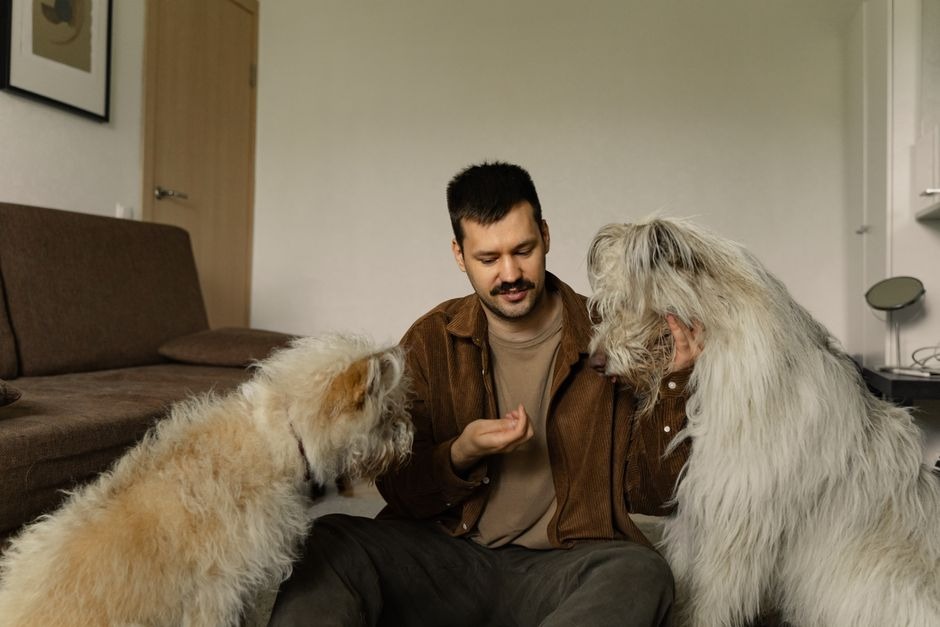
Living with a dog can feel like equal parts joy, chaos, and mystery. One day your pup is curled up like an angel, and the next they’re stealing socks with the confidence of a tiny criminal mastermind. If you want a calmer, safer, and more enjoyable life with your dog, training matters more than fancy gear or trendy treats. Good behavior usually comes from clear routines, smart timing, and a solid understanding of what your dog is actually trying to say.
Start With the Behavior You Want, Not the Mistakes You Hate
A lot of people focus on stopping bad behavior, but your dog learns faster when you show them what to do instead. If your dog jumps on guests, teach a sit at the door. If they bark for attention, reward quiet behavior before the barking starts. That small shift changes the whole game.
Dogs repeat what works. If pulling on the leash gets them to a smell faster, they’ll keep doing it. If sitting politely earns praise, treats, or the chance to go outside, that behavior becomes more valuable.
Keep your rewards immediate and consistent. Your timing matters. If you wait too long, your dog may connect the treat with scratching the couch instead of lying calmly on the rug. That’s how confusion sneaks in and turns training into a messy group project with no leader.
Understand What Your Dog Is Communicating
Behavior is communication, even when it looks random. A dog that chews shoes may be bored, stressed, teething, or simply under-exercised. A dog that growls is not being dramatic. They’re setting a boundary and telling you they’re uncomfortable.
Pay attention to body language:
– Ears pinned back can signal stress
– Lip licking may show anxiety
– A stiff body often means discomfort
– A loose tail wag does not always mean friendliness
– Turning away can be a calming signal
When you notice patterns, training gets more precise. Maybe your dog loses focus around skateboard noise, crowded sidewalks, or visitors wearing hats. Those details matter.
If you’re comparing approaches like group classes, private coaching, or specialized dog training in LA, think about your dog’s actual triggers and temperament, not just convenience. The right setup depends on the problem in front of you.
Build a Routine That Makes Good Choices Easier
Dogs do better when life feels predictable. That doesn’t mean your home needs military-level scheduling, but structure helps reduce stress and impulsive behavior. Regular walks, feeding times, bathroom breaks, and short training sessions create a rhythm your dog can understand.
Training also works better when your dog’s basic needs are met. A dog with too little exercise often looks “stubborn” when they’re really just overflowing with energy. A dog that hasn’t had enough sleep may get mouthy or reactive. Puppies especially need more rest than most people expect.
Try a simple daily framework:
– Morning potty break and walk
– Five to ten minutes of training
– Food puzzle or sniff activity
– Afternoon nap or quiet time
– Evening walk with practice around distractions
That kind of routine makes behavior feel less like a constant emergency and more like something you can shape on purpose.
Use Rewards Well and Don’t Bribe by Accident
Positive reinforcement gets talked about a lot, but sloppy reward timing causes plenty of frustration. Reward-based training does not mean waving a treat in front of your dog forever like a hostage negotiator. It means marking and rewarding the behavior you want so clearly that your dog begins offering it without being asked ten times.
Start with high-value rewards when distractions are strong. For some dogs, kibble works at home but not near squirrels, kids, or traffic. In harder environments, you may need chicken, cheese, or a favorite toy.
A few practical tips help:
– Reward within one to two seconds
– Use a marker word like “yes” consistently
– Fade visible treats over time
– Practice in easy settings before harder ones
– End sessions before your dog mentally checks out
Bribery happens when your dog only responds after seeing the reward first. Training happens when the behavior comes first and the reward follows.
Socialization Means Quality Exposure, Not Chaos
People often think socialization means letting every dog meet every person in every park. That can backfire fast. Good socialization is about helping your dog feel safe and neutral around different sights, sounds, surfaces, and situations.
A well-socialized dog does not need to greet everyone. In fact, many dogs become more stable when they learn they can observe the world without engaging with it. That’s a useful life skill in cities, apartment buildings, and busy neighborhoods.
Focus on controlled exposure to things like:
– Bikes and skateboards
– Delivery trucks and doorbells
– Children moving unpredictably
– Grooming tools and vet handling
– Elevators, stairs, and slick floors
Keep sessions short and manageable. If your dog freezes, lunges, or won’t take food, the situation is probably too intense. Pull back, create distance, and work below that threshold. Progress tends to look boring in the moment, but boring is often exactly what success looks like.
Fix Common Problems by Looking at the Environment
Training is not only about commands. Management matters just as much. If your dog raids the trash, secure the trash. If they bolt out the front door, use gates, leashes, or a secondary barrier while you train. Setting up the environment prevents rehearsal of bad habits.
Common issues usually improve faster when you break them into smaller parts. Loose-leash walking is not one skill. It includes attention, impulse control, pace matching, and recovery after distraction. Recall is not just “come.” It’s trust, repetition, and making yourself more interesting than whatever smells incredible in the bushes.
Real-world training works best when you ask:
– What triggers the behavior?
– What reward is maintaining it?
– What skill is missing?
– How can I make the right choice easier?
That approach feels less emotional and much more effective. Your dog isn’t plotting against you. Usually, they’re just following a pattern that has paid off before.
Know When to Get Professional Help
Some challenges need expert support sooner rather than later. Aggression, severe fear, separation anxiety, and intense reactivity can escalate if handled with guesswork. Getting professional guidance is not admitting defeat. It’s more like calling in a skilled technician before you turn a small wiring issue into a house-wide blackout.
Look for a trainer who explains their methods clearly, observes your dog’s body language, and gives you practical homework. Good training should feel structured, not theatrical. You want measurable progress, realistic expectations, and a plan that fits your household.
Ask useful questions:
– How do you handle fear-based behavior?
– What happens if the dog gets it wrong?
– How do you involve the owner?
– What results are realistic in the first month?
Strong training support helps you become more confident, and dogs pick up on that quickly. Calm leadership is easier when you actually know what to do next.
Training Is Really About Daily Communication
Your dog does not need perfection, and you don’t need to become some ultra-disciplined dog whisperer with a treat pouch attached at all times. You need consistency, observation, and enough patience to repeat the basics until they stick.
Small moments matter more than dramatic breakthroughs. Waiting at the door, checking in on walks, settling on a mat, and staying calm around distractions all add up. Those habits create a dog who is easier to live with and safer in the real world.
If training feels slow, that’s normal. Good behavior is built through repetition, not magic. Keep sessions short, keep expectations clear, and notice the little wins. Your dog is always learning from you, even on the messy days. Especially on the messy days.