
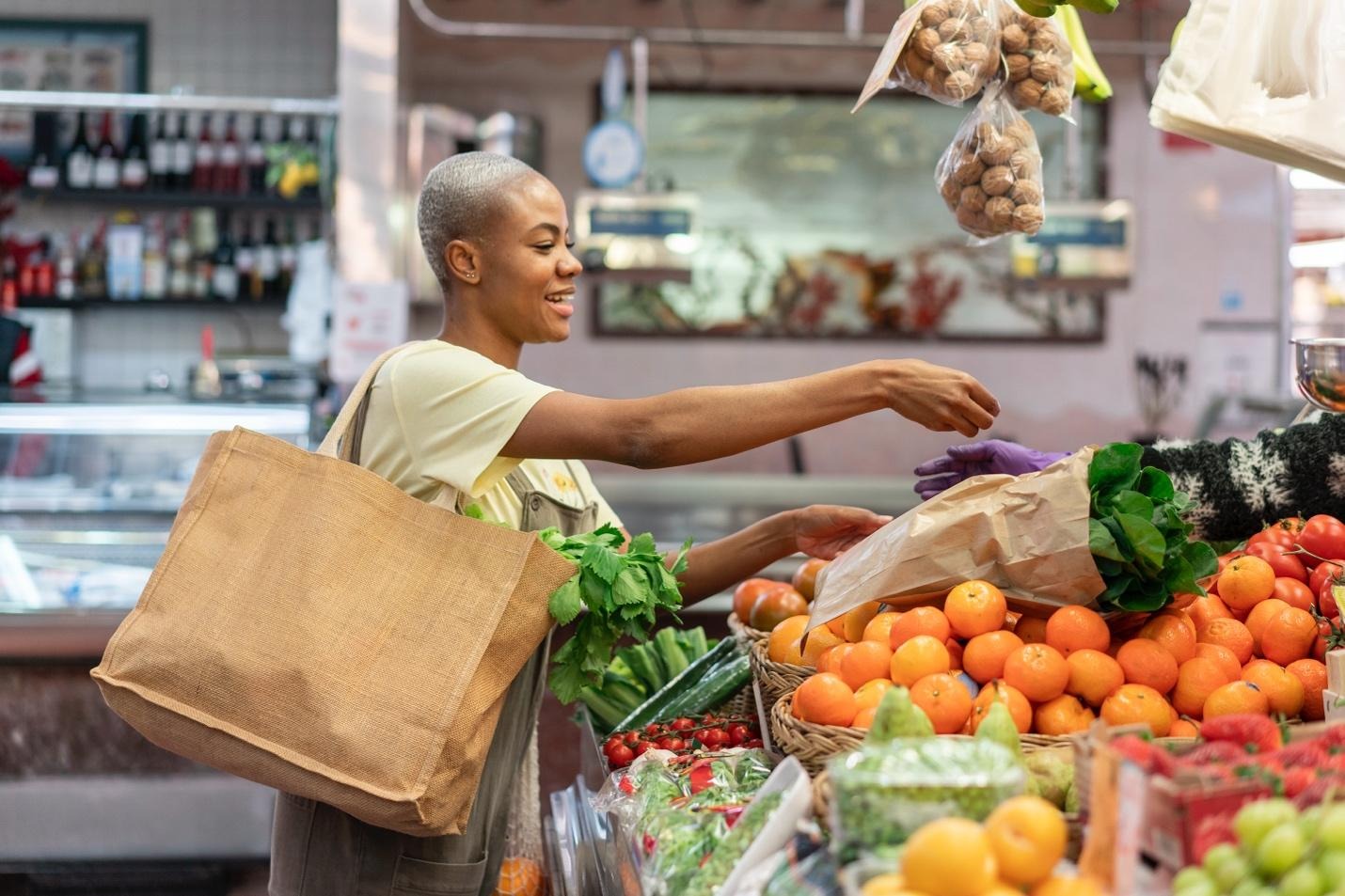
(photo credit: Microsoft Stock Images)
Every grocery trip has an environmental impact that extends far beyond the checkout line. The foods families purchase require land, water, energy, transportation, and packaging before they reach store shelves. While no shopping trip is perfect, making thoughtful choices over time can reduce household waste and support more responsible food systems.
Choose Foods With Less Waste
One of the simplest ways to reduce environmental impact is to buy only what your family is likely to eat. Planning meals before shopping helps prevent food from spoiling in the refrigerator, which reduces both waste and grocery expenses.
Buying loose fruits and vegetables instead of heavily packaged options can also reduce plastic waste. Reusable shopping bags and produce bags are another easy way to cut back on disposable materials during each trip.
Think About Packaging and Transportation
Food packaging protects products during shipping and storage, but it also contributes to household waste. Whenever possible, compare similar products and choose options with recyclable or minimal packaging.
Transportation also affects a product’s environmental footprint. Many fresh foods travel long distances before arriving at grocery stores, making efficient logistics an important part of reducing waste. Innovations such as sustainable cold chain packaging help maintain safe temperatures during transportation.
Support Long-Term Healthy Habits
Sustainable grocery shopping does not require changing every purchasing decision overnight. Families can gradually build habits such as planning meals, storing food properly, freezing leftovers, and using older ingredients before buying more. Children can also participate by helping create shopping lists, selecting seasonal produce, and learning why reducing food waste benefits both the environment and the household.
Every grocery purchase reflects a series of choices that influence natural resources, packaging use, and food waste. Focusing on practical habits rather than perfection makes sustainable shopping easier to maintain over time. Look over the infographic below for more information.
