(photo credit: Microsoft Stock Images)
Running a business while raising a family offers flexibility, but it also creates unique financial responsibilities. Income may change from month to month, making planning more important than it is for households with predictable paychecks. Building healthy financial habits helps families prepare for expected expenses.
Build a Flexible Household Budget
A monthly budget remains one of the most useful financial tools for self-employed families. Start by identifying essential expenses such as housing, groceries, utilities, childcare, and transportation. Then compare those costs with average monthly business income rather than focusing on the highest earning months.
Setting aside extra income during busy periods creates a financial cushion for slower seasons. Keeping business and personal finances in separate accounts also makes budgeting and tax preparation much easier.
Prepare for the Unexpected
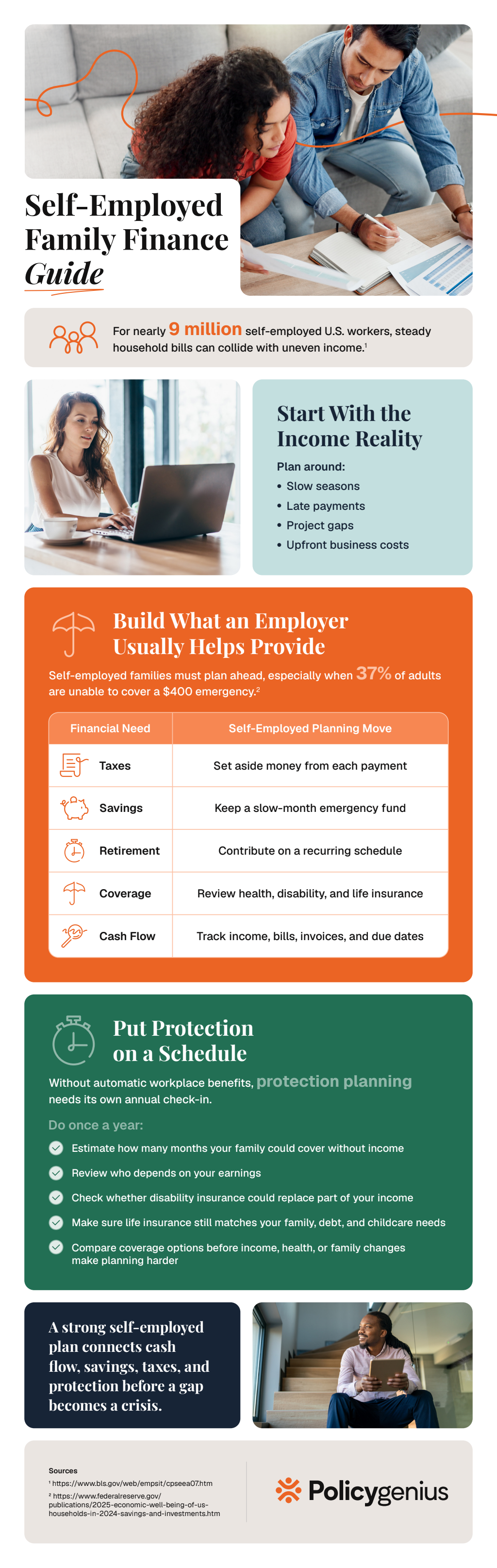
Without employer-sponsored benefits, self-employed families often need to plan ahead for emergencies. An emergency fund that covers several months of living expenses can help protect the household if business income temporarily declines.
Insurance is another important part of financial planning. Reviewing health coverage, disability protection, and term life insurance quotes allows parents to evaluate options that help provide financial security for loved ones if unexpected events occur. Regularly reviewing coverage also helps keep policies aligned with changing family needs.
Plan for Long-Term Goals
Daily expenses are only one part of financial success. Retirement savings, college funds, home maintenance, and future business investments all deserve regular attention. Setting automatic transfers into savings accounts can make long-term planning easier, even if the amount varies. Reviewing financial goals together as a family also helps everyone stay focused on priorities and upcoming expenses.
Managing finances as a self-employed family requires organization, flexibility, and consistent planning. Creating a realistic budget, preparing for income changes, and saving for future goals can provide greater financial stability over time. Look over the infographic below for more information.