
Parents often view supplemental education as a monthly bill. However, economists see it differently. They call it an investment in “human capital.” Like any investment, the goal is a high return. Let’s analyze the financial logic behind private tutoring to see if the numbers add up.
Many families try to balance immediate tutoring costs with future benefits. In terms of adult financial success, math proficiency stands out as one of the strongest predictors. With educational resources like Brighterly, parents can address specific learning gaps before they become expensive problems. In this way, a simple lesson can become a long-term economic strategy.
The ROI of Math Mastery
Today’s labor market rewards quantitative skills more than ever before. Science is no longer the only field that analyzes data. Marketers, managers, and designers now use data to make daily decisions.
The ability to pivot between industries is made possible by a solid math foundation. If one sector suffers a downturn, a mathematically literate person can move on to another. In a way, this adaptability serves as career insurance. In a volatile economy, it reduces long-term unemployment.
In addition, math skills are universal. The student who masters calculus has the opportunity to work in London, New York, or Tokyo. Geographic mobility increases a person’s earning potential significantly over their lifetime. This allows them to relocate to areas with the highest wages.
Future Earnings and Market Demand
Math is a school subject, but it also functions as a financial asset. A high level of proficiency in numbers correlates strongly with higher income levels in adulthood. It is for this reason that many families view mathematical literacy as a key component of their wealth-building strategy.
- The STEM Premium: High-paying industries like AI, finance, and engineering require strong math skills. These sectors consistently offer higher starting salaries compared to other fields.
- Compounding Returns. Children who master math early are less likely to fall behind due to the “snowball effect.” The sooner children master math, the more successful they are in school.
- Scholarship Value. The higher your test scores, the more likely you are to receive merit-based aid. It can save a family tens of thousands of dollars on university tuition.
There is rarely a straight line between educational progress and success. A student who struggles with fractions later struggles with algebra and physics as well. Investing in private tutoring early prevents this downward trend.
Analyzing Math Tutor Prices and Market Models
The market rate for tutoring varies by region and specialization. For example, Brighterly’s pricing starts at $17.70/class, and they teach your kid online from anywhere. At the same time, Brighterly curricula closely follow US-accepted educational standards, making them suitable for exam preparation and academic improvement alike.
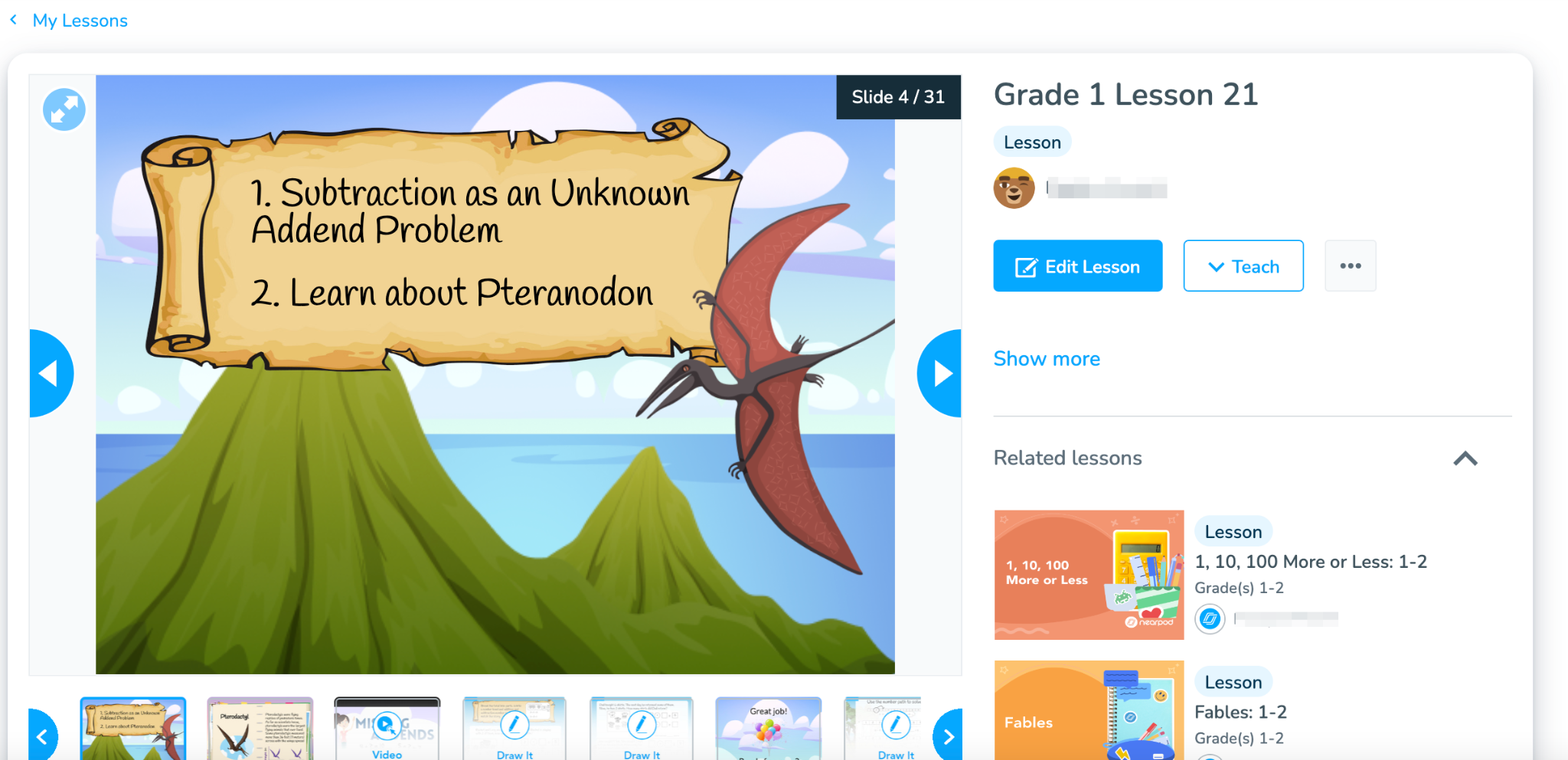
A parent’s most important metric is efficiency. It doesn’t matter how low the hourly rate is if the student is still confused after a year of lessons. It is usually more cost-effective for the household to hire a professional with whom children learn concepts in 30 minutes instead of three hours.
Paying for Educational Efficiency
When you look at math tutor prices, you are paying for more than just time. You are paying for a specific outcome. A traditional tutoring center has a high overhead. The company must cover the costs of physical rent, utilities, and administrative staff.
- Overhead Costs: Traditional learning centers have high rent and staff costs.
- Digital Efficiency: Modern online math classes reduce these overheads. This often results in better rates for parents and higher pay for experts.
- Opportunity Cost: Think about your own time. If you spend three hours struggling to teach algebra, that is time you aren’t working or resting. Often, hiring a pro is the more “profitable” choice for the household.
It is a waste of time to spend three hours each evening struggling to teach your child algebra. The time you spend with your child could be used for work, rest, or building a different relationship.
Does Tutoring Actually Help? The Data View
The most effective educational platforms provide parents with regular updates on their children’s progress. In these summaries, it is clear which topics have been mastered and which need more work. With this transparency, the family can ensure that its investment produces tangible results.
Measuring Academic Output
A common question for any investor is: Does tutoring actually help? Data suggests that personalized instruction is the most effective way to learn.
- Targeted Intervention: There is one speed at which the teacher moves in a classroom. The tutor moves at the student’s pace.
- Active Learning: When students work one-on-one, they must engage. There is no place for them in the back of the room or in silence.
- Immediate Feedback: Errors are corrected immediately. In this way, the student is prevented from making mistakes.
Risk Mitigation in Education
Students whose math skills do not meet high school standards will have fewer college options. As a result, they can only pursue careers that pay lower wages. A STEM professional can earn millions more than a non-technical worker over the course of their career.
When viewed over a 40-year career, a few years of tutoring seem like a bargain. This is a small upfront investment for a much larger payout in the future. Students can still apply logic and reasoning skills to many fields, even if they don’t enter a math-driven field.
Preventing Long-term Financial Loss
The “cost” of doing nothing can be higher than the price of a tutor. Whenever we talk about economics, we talk about risk. It is very likely that a student will fail a core math class. In some cases, it can delay graduation or lead to summer school costs.
- Avoiding Remediation: Many college students pay for math classes that do not give them credits. This is “lost money” that could have been saved with earlier intervention.
- Career Flexibility: Strong math skills give a person more career options. This reduces the risk of being replaced by automation.
- Psychological Costs: Failure in math can lead to a “fixed mindset,” which limits a child’s willingness to take risks in other areas.
Preventing these losses is just as important as gaining new skills. By identifying weak areas through diagnostic checks, parents can close gaps before they lead to failure.
Conclusion
From a strictly economic standpoint, math help is rarely a waste of money. It is an investment in a child’s future earning power. While the upfront cost of online math classes exists, the long-term gains usually outweigh the price.
By choosing a structured platform like Brighterly, you are simply choosing a more efficient way to grow your child’s potential. You are placing the student at the center of the process. This ensures the curriculum meets their exact needs and aligns with educational standards. Ready to invest in their success? Let’s get started.