
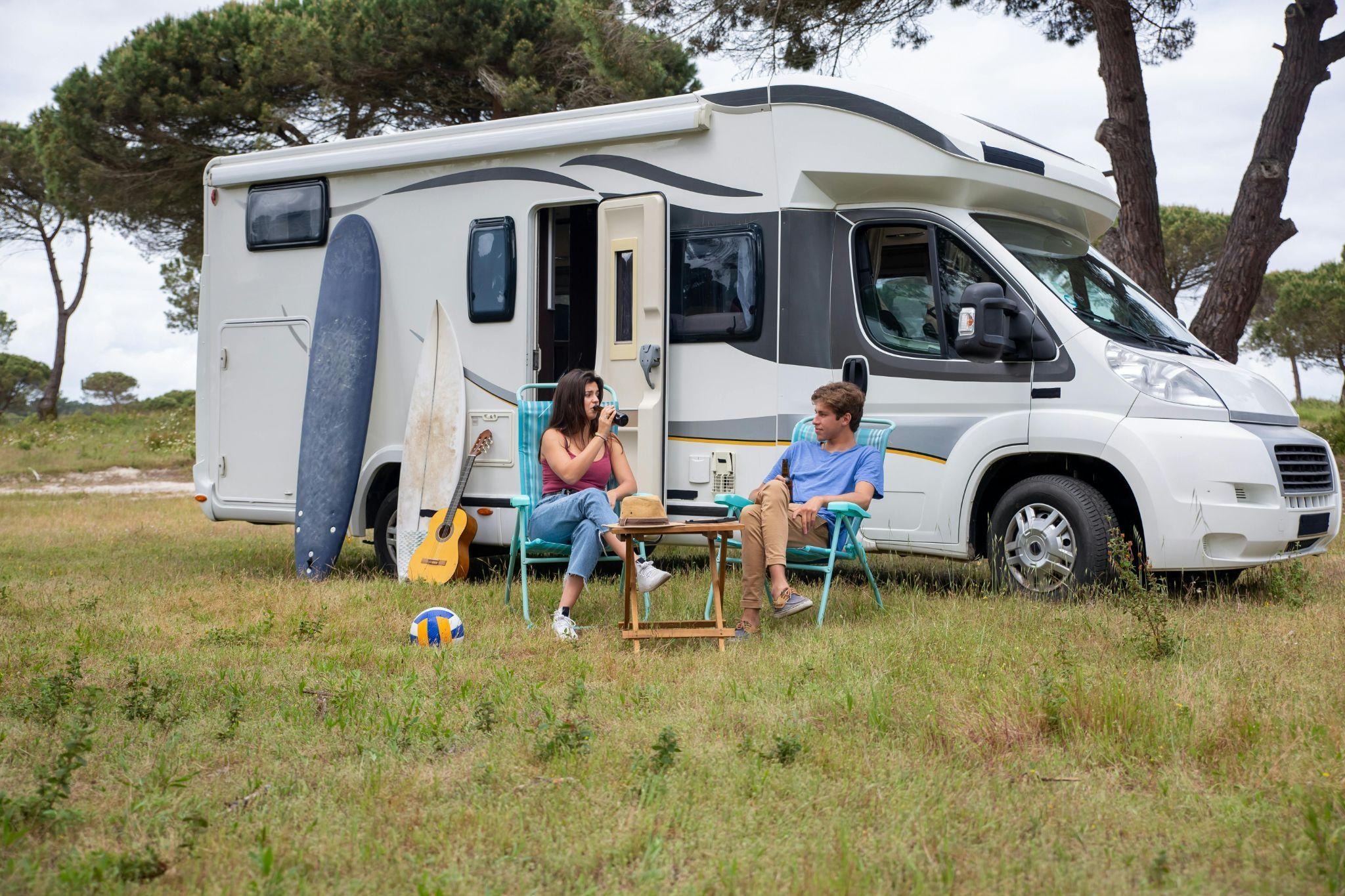
Living on the road in an RV offers a kind of freedom that few lifestyles can match, but that freedom comes with financial responsibility. Without a solid plan, small daily expenses can quickly add up into major budget problems. Many new RV travelers underestimate how different mobile living costs can be compared to a traditional home.
The key to long-term success is not cutting every expense, but learning how to spend intentionally. Smart budgeting allows you to travel comfortably without constantly worrying about money. With the right strategies, you can maintain both financial stability and the flexibility that makes RV life so appealing.
Track the “Big Three” Variable Expenses
The majority of your RV budget will revolve around three main categories: fuel, campground fees, and food. Fuel costs can fluctuate depending on how often and how far you travel, making it one of the hardest expenses to predict. Campground fees vary widely by location and amenities, while food expenses often increase when convenience takes priority over planning.
Tracking every dollar for your first 90 days on the road is one of the most valuable habits you can build. This period gives you a clear picture of your spending patterns and highlights where adjustments can be made. Budgeting apps or a simple spreadsheet can help you stay consistent and accountable as you build this awareness.
As you start to see where your money goes, these core expenses become easier to manage and optimize. This is especially important when thinking about how to pay off RV loan faster while still living comfortably on the road. Even small reductions in these areas can free up extra cash, and over time, those changes can make a meaningful difference in your progress.
Invest in Membership Clubs
Membership clubs can be a practical way to reduce your overall travel costs if you use them consistently and with a plan. Programs like Thousand Trails, Harvest Hosts, and Passport America offer discounted or included stays at various locations. While each program has its own structure and limitations, the real value lies in aligning your travel style with the benefits it offers.
Before committing, it is important to evaluate how often you will realistically use the membership. If your routes regularly include participating campgrounds or host locations, the savings can quickly outweigh the initial cost. On the other hand, occasional use may not justify the expense, so planning and mapping out potential stops can help you make a more informed decision.
To maximize the return on your investment, consider combining memberships and taking advantage of reciprocal benefits. Some programs allow you to access partner networks, which expand your options without additional fees. With a bit of planning, you can stack discounts, reduce nightly costs, and create a more flexible travel itinerary that supports both your budget and your overall RV lifestyle.
Create a Dedicated “House” Maintenance Fund
An RV serves as both your home and your vehicle, so it requires ongoing care across multiple areas. Unlike a stationary home, everything in an RV is subject to movement and vibration, which can accelerate wear and tear. Recognizing this dual role helps you prepare financially for maintenance needs.
Setting aside a fixed monthly amount for repairs helps ensure you’re prepared when issues arise. Common expenses include tire replacements, roof maintenance, and appliance repairs. Having a dedicated fund reduces stress and prevents unexpected costs from disrupting your travel plans.
Strategic Grocery Shopping & Meal Prep
Food costs can sneak up on you when you’re on the road, especially on busy travel days when grabbing something quick feels easier than cooking. Gas stations and tourist spots are convenient, but they often come with higher prices and limited choices. Planning grocery stops at larger stores when passing through towns can help you save money and access better options for simple, satisfying meals.
A few small habits can make everyday cooking feel easier and less stressful. Picking up extra staples, storing food properly, and doing a bit of prep ahead of time can save both time and money. It also helps to keep track of what you already have, so nothing goes to waste. Over time, these simple routines make it much easier to stick to your budget without feeling like you’re missing out.
Learn DIY Maintenance Skills
Learning basic maintenance skills can save a significant amount of money over time. Tasks like winterizing your RV, fixing minor plumbing issues, and replacing filters are manageable with the right guidance. These small efforts add up and reduce your reliance on professional services.
There are many accessible resources available for RV owners who want to learn. Online tutorials, community forums, and fellow travelers can provide valuable advice and step-by-step guidance. Building these skills increases your confidence and independence on the road.
Small Financial Choices, Big Travel Rewards
Managing finances while living the RV lifestyle comes down to building smart habits that support long-term freedom. Over time, each decision you make shapes your overall budget. Staying aware of your spending, planning, and being consistent helps you avoid common financial pitfalls. The goal is not to limit your experiences, but to make them sustainable over time. With the right approach, you can enjoy the journey while feeling confident about your financial future.