
Source: Canva Editor
Relaxing at-home hobbies have become a normal part of everyday life for many adults who want calmer ways to spend their free time. The appeal is simple. These activities do not need complicated planning, expensive equipment, or a long commute. They can fit into a quiet evening, a weekend morning, or a short break between household tasks. A good at-home hobby gives the mind something pleasant to focus on without demanding perfection.
Why At-Home Hobbies Are So Appealing
Home-based hobbies offer control. People can choose the pace, the setting, and the level of effort. Someone tired after work may prefer reading, journaling, coloring, or a jigsaw puzzle. Another person may want light movement and choose yoga, stretching, tai chi, indoor gardening, or a simple fitness-planning tool like a TDEE Calculator to better understand daily calorie needs before setting wellness goals.
At-home hobbies are easier to repeat, which helps them become part of a routine. A knitting basket beside the sofa, a notebook on the bedside table, or herbs on a sunny windowsill can make the activity feel natural instead of forced.
Creative Hobbies That Support Calm Focus
Crafts are popular because they combine simple technique with visible progress. Knitting, crocheting, candle making, embroidery, pottery kits, and paper crafts all create steady involvement. Similarly, using the best custom paint by number kits for adults provides a rewarding creative process where you can transform personal memories into stunning physical canvas art at your own pace.
The hands stay busy, but the mind does not have to rush.
For example, someone might spend 20 minutes crocheting after dinner while listening to quiet music. The goal may not be to finish a large project quickly. The value is in the repeated motion, the texture of the yarn, and the small sense of progress from one row to the next.
Low-energy creative hobbies can also work well. Journaling, sketching, calligraphy, coloring books, reading, or using chord Songs to practice simple guitar or piano pieces allow people to slow down without needing a large setup. A short journal entry before bed can organize thoughts. A coloring page can give structure to a quiet evening.
Mindful Movement and Gentle Body Practices
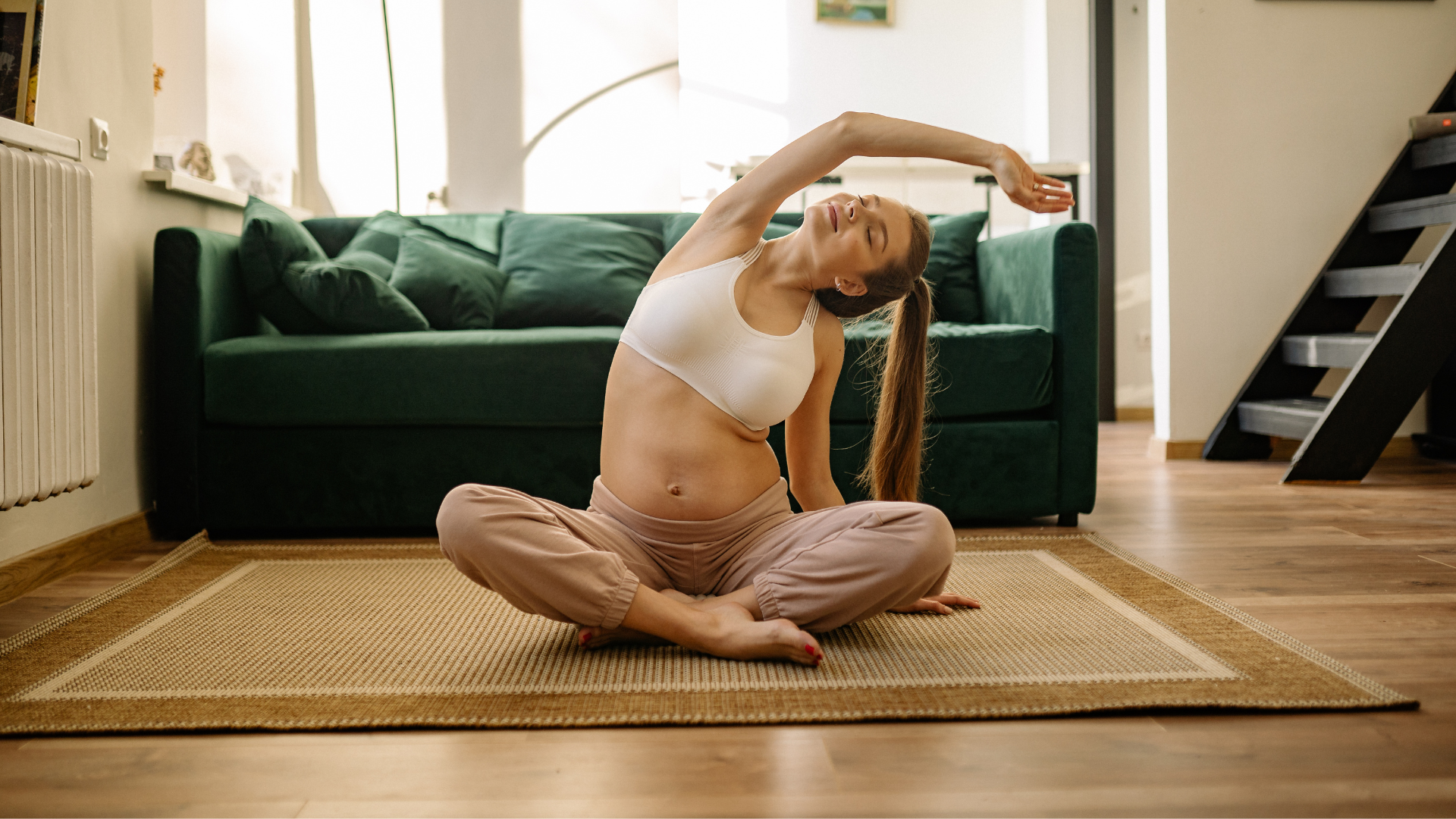
Not every relaxing hobby is still. Many people enjoy gentle movement at home because it helps them reconnect with the body after long hours of sitting, working, or looking at screens. Yoga, tai chi, stretching, and guided breathing exercises are common choices because they can be adapted to different energy levels.
A beginner does not need a complex routine. Ten minutes of slow stretching in the morning can be enough to build consistency. Someone working from home might use a short breathing session between tasks to reset attention.
Home Projects, Plants, and Sensory Hobbies
Some relaxing hobbies are effective because they engage the senses. Cooking, baking, houseplant care, indoor herb gardens, and gentle DIY projects give people something concrete to touch, smell, arrange, or improve.
Baking is a good example. Measuring ingredients, mixing dough, and waiting for something to bake can feel steady and satisfying. Indoor gardening works in a similar way. Watering a plant, trimming dry leaves, or watching herbs grow on a windowsill gives a small sense of care and continuity.
These hobbies do not need to become large projects. A person in a small apartment might start with one basil plant, one simple cake recipe, or one drawer organization task.
Top 5 Factors to Consider When Choosing a Relaxing Hobby
- Energy level
Choose reading, puzzles, or journaling when you want something quiet. Choose baking, yoga, or gardening when you want light activity. - Space available
A small desk can support writing, drawing, or crafts. A windowsill can support herbs. A living room corner can work for stretching. - Setup time
The easier it is to begin, the more likely the hobby is to become part of your week. - Sensory preference
Some people enjoy texture, scent, sound, or movement, such as planning a relaxed beach-inspired activity after reading about whangamata, the New Zealand coastal destination known for surfing, scenic walks, and cafés. - Social comfort
A hobby can stay private, or it can include a book club, craft group, cooking exchange, or online class.
Games, Puzzles, and Cozy Focus
Puzzles, board games, logic games, and low-pressure video games are also common at-home hobbies. Their appeal comes from focused attention. A puzzle gives the mind a clear task without heavy pressure. A solo board game or word puzzle can make an evening feel structured without becoming demanding.
For instance, someone might keep a 500-piece puzzle on a side table and work on it for 15 minutes at a time. Another person might use a simple logic puzzle after lunch as a mental reset.
Conclusion
Relaxing at-home hobbies are popular because they meet people where they are. They can be quiet, creative, physical, practical, or playful. Crafts, reading, journaling, gardening, cooking, puzzles, and gentle movement all offer different ways to slow down and use time more intentionally.
The best hobby is usually the one that feels easy to begin and pleasant to repeat. With a small setup, realistic expectations, and a routine that matches personal energy, at-home hobbies can become a steady part of everyday wellbeing.