
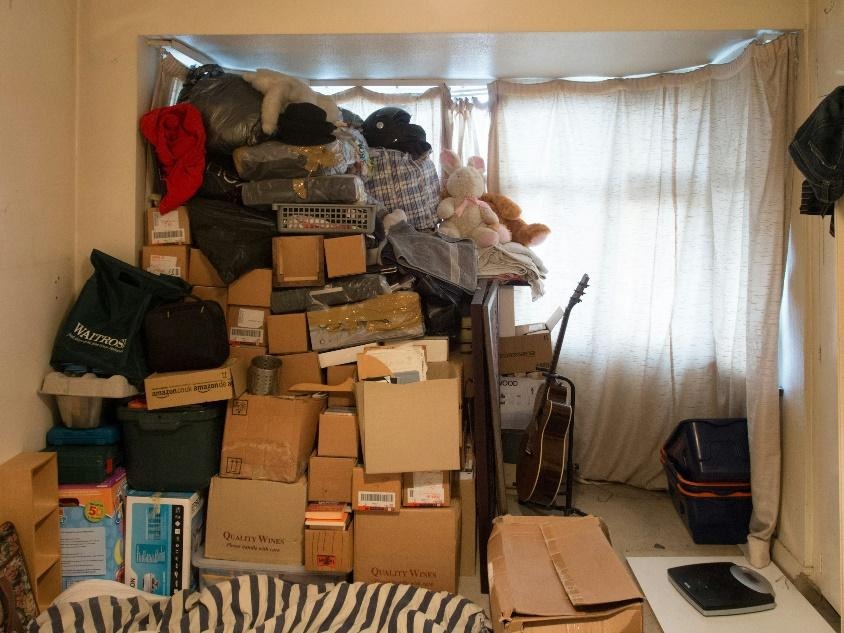
Moving to a new home is one of those life events that feels exciting and overwhelming in equal measure. There is so much to look forward to, but the process of getting everything packed and ready can be genuinely exhausting if there is no plan in place.
For families and individuals in Tampa, Florida, the challenge often comes down to one thing: figuring out what to take and what to leave behind. The good news is that a well-organized approach to decluttering can turn a chaotic move into something far more manageable.
Starting early, being honest about what is truly needed, and tackling things room by room can save hours of frustration on moving day.
Getting the Right Help for a Smooth Transition
One of the smartest things anyone can do before a big move is recognize when professional help is worth the investment. Sorting, packing, and hauling an entire household takes a physical and mental toll, and trying to do everything alone often leads to burnout before the move even happens. There are tasks that benefit enormously from experienced hands, especially when the move covers a significant distance, and the logistics become more complex.
For those relocating out of The Big Guava, working with a local Tampa long distance moving company can take a massive weight off the process. Professionals who handle moves across state lines understand the coordination involved, from scheduling to safe transport of fragile items. That said, even with movers handling the heavy lifting, the responsibility of deciding what goes and what stays falls on the homeowner. This is where the real work of organizing and decluttering begins.
Starting Early Makes All the Difference
Procrastination is the enemy of a clean, organized move. Ideally, the decluttering process should begin at least six to eight weeks before the moving date. This allows enough time to go through every room without rushing and making decisions that might be regretted later. Waiting until the last week almost always results in throwing things into boxes without any real sorting, which just transfers the mess from one home to another.
A simple calendar can help break the process into smaller tasks. Assign specific rooms or categories to specific weeks. For example, the first week could focus on closets and clothing, while the second week tackles the kitchen. Having a timeline removes the pressure of trying to do everything at once and keeps the process moving at a steady pace.
The Room-by-Room Approach
Going room by room is the most effective way to declutter without feeling overwhelmed. Trying to sort the entire house in one go is a recipe for frustration. Instead, pick one space, finish it completely, and then move on.
Start with the areas that tend to accumulate the most unused items. Guest bedrooms, storage closets, garages, and attics are usually packed with things that have not been touched in months or even years. Pull everything out, lay it on the floor, and sort it into clear categories: keep, donate, sell, and discard.
Sorting Sentimental Items Without the Guilt
This is the part of decluttering that trips most people up. Old photographs, childhood keepsakes, gifts from loved ones, and inherited items carry emotional weight that makes them hard to let go of. The key is to give yourself permission to keep what truly matters while being honest about what is being held onto out of obligation rather than genuine attachment.
One helpful approach is to set a physical limit. Choose one box or one shelf’s worth of space for sentimental items, and only keep what fits within that boundary. For things like children’s artwork or old letters, consider scanning or photographing them to preserve the memory without keeping the physical object.
Selling and Donating What No Longer Serves a Purpose
Once the sorting is done, there will likely be a sizable pile of items that are still in good condition but simply not needed anymore. Selling these items is a great way to offset some of the costs associated with moving. Online marketplaces and local community groups make it easy to list furniture, electronics, clothing, and household goods.
For items that do not sell or are not worth the effort of listing, donation is an excellent option. Many charitable organizations will even pick up larger items directly from the home, saving time and effort. Scheduling a pickup a couple of weeks before the move ensures everything is cleared out well in advance.
Packing with Purpose and Organization
After the decluttering is complete, packing becomes a much simpler task because every item going into a box has earned its place. This is the stage where a little extra effort pays off enormously on the other end. Label every box clearly with its contents and the room it belongs to. This small step alone can save hours of confusion when unpacking.
Pack one room at a time to keep things organized and avoid mixing items from different parts of the house. Wrap fragile belongings carefully and use soft items like towels and linens as padding. Keep a separate bag or small box for essentials that will be needed immediately upon arrival, such as toiletries, a change of clothes, phone chargers, important documents, and basic kitchen supplies.
Keeping the Momentum Going After the Move
The discipline built during the decluttering process should not end once the boxes are loaded onto the truck. Unpacking at the new home is an opportunity to continue making intentional choices. As each box is opened, evaluate whether the items inside truly belong in the new space. Sometimes things that seemed necessary during packing feel less essential in a different setting, and that is perfectly fine.
Set up each room thoughtfully rather than rushing to empty every box on the first day. Living with a few unpacked boxes for a week or two is not a problem, and it actually gives time to figure out the best layout and storage solutions for the new space.