
When we talk about government-run facilities, like prisons, public hospitals, or state schools, we often focus on the policies and the paperwork. But for the people living and working inside those walls, the most immediate concern isn’t a policy memo. It’s what is on their dinner plate and whether their environment is actually safe.
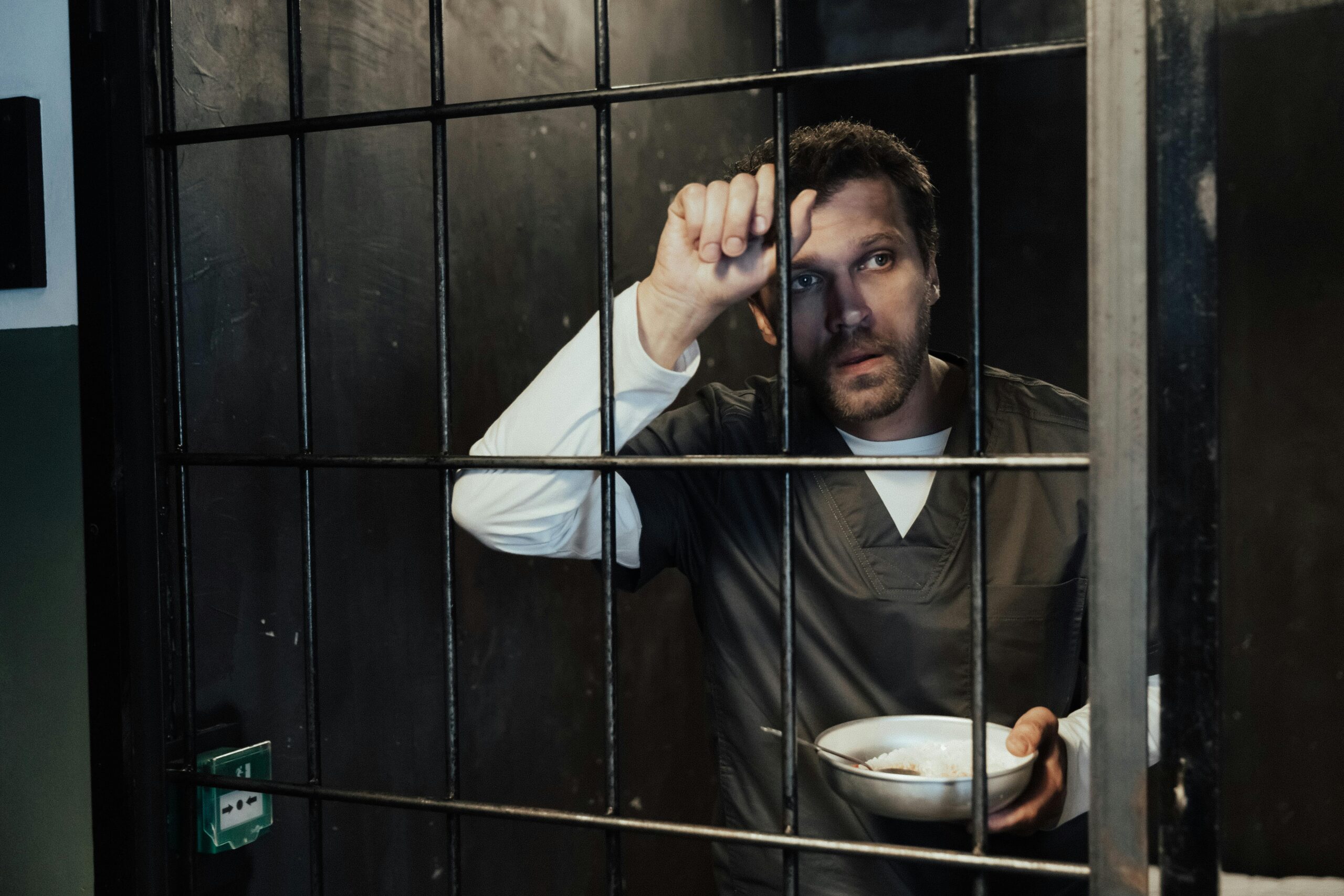
It is a fundamental responsibility of any government to provide basic care, yet history shows that these settings are often where standards slip the most.
We have seen reports ranging from malnutrition to exploitation that put residents at risk. These aren’t just minor inconveniences, but are systemic failures that can lead to long-term physical and mental harm.
Understanding these challenges is essential for establishing accountability and ensuring that basic human dignity is maintained for all individuals under government care.
The Current State of Food Safety in Government Facilities
Food safety in government facilities remains inconsistent, with a massive gap between federal standards and daily practice. The FDA Food Safety Modernization Act (FSMA) works to transform the system by shifting the focus from responding to foodborne illness to preventing it. Under FSMA, the FDA finalized rules requiring specific actions at every point in the supply chain to stop contamination before it starts.
A recent CDC analysis found that incarcerated and detained individuals are six times more likely to suffer from foodborne outbreaks than the general public. Investigations often point to recurring operational failures, such as a lack of proper time and temperature controls.
These lapses show that while the law emphasizes prevention, many facilities still struggle with basic safety. Closing this gap is essential for protecting public health and ensuring the economic well-being of the entire food system.
Nutritional Adequacy and Health Implications
Nutritional quality in government facilities significantly impacts long-term health. While the Dietary Guidelines for Americans (DGAs) provide essential benchmarks, many facilities fail to meet them. This neglect drives disproportionate rates of chronic diseases, such as diabetes and hypertension, among incarcerated populations.
A recent survey of Pennsylvania state prisons reveals a dire situation. Meals fail to meet basic needs, leaving 80% of men and 70% of women hungry every day. These meals lack the calories required by the DGAs, contributing directly to malnourishment and illness.
The consequences extend beyond the individual. The resulting medical costs and public health burdens far exceed any short-term savings from reduced food budgets. Prioritizing nutritional adequacy is a necessary strategy to reduce long-term state expenditures and protect human dignity.
Equipment Failures and Infrastructure Challenges
Aging infrastructure and equipment failures create severe food safety risks in government facilities. A 2024 DOJ Office of the Inspector General (OIG) inspection of Bureau of Prisons facilities revealed critical deficiencies. At USP McCreary, inspectors found water seeping through broken floor tiles, emitting foul odors. Kitchen temperatures at other sites reached a brutal 93°F, creating dangerous conditions for those working inside.
More concerning were the widespread refrigeration failures. Inspectors observed food that had thawed and refrozen due to constant leaks and temperature fluctuations. Such malfunctions allow harmful bacteria to grow, significantly increasing the risk of foodborne illness.
These issues stem from deferred maintenance and aging facilities that were not designed for modern safety standards. Addressing these recurring failures requires systematic investment and procurement reform rather than reactive repairs, as reliable infrastructure is a prerequisite for basic safety.
Oversight Failures and Accountability in Detention Facilities
In government facilities, systemic failures rarely happen in isolation. Ignoring basic standards like food safety often signals a deeper lack of accountability, leaving residents vulnerable to more severe harm.
The same oversight gaps that allow for spoiled food or crumbling kitchens can create an environment where staff misconduct goes unchecked. The Illinois juvenile detention center lawsuit highlights these tragic consequences.
According to TorHoerman Law, over 200 survivors have alleged sexual abuse by staff members, including medical personnel and even kitchen supervisors. Survivors describe a decades-long pattern of victimization involving intimidation tactics, such as threats of solitary confinement to ensure silence.
This demonstrates that when an institution fails to monitor its staff and basic operations, the safety of the most vulnerable is compromised across every dimension. Independent, rigorous oversight is essential to break this cycle of abuse and ensure these facilities meet their legal and moral obligations.
The Economic Reality of Institutional Food Service
Cost-cutting measures drive many of the safety and quality issues in government facilities. However, this “false economy” creates long-term expenses that dwarf any short-term savings. When food quality is sacrificed, the state ultimately pays more through healthcare costs and litigation.
The Pennsylvania Department of Corrections (DOC) illustrates this imbalance. In 2024, the department planned to spend $358 million on medical care, while spending only $70 million on food. Given that nutritious food prevents chronic disease, increasing the food budget could significantly reduce the department’s largest expense category.
A sustainable approach requires viewing food service as a critical investment in health, safety, and human dignity. By prioritizing nutrition now, the government can lower the public health burden and medical costs of the future.
Frequently Asked Questions
What are the main food safety regulations that government facilities must follow?
Government facilities must comply with FDA Food Code standards, Good Manufacturing Practices (GMP), and state health regulations. Correctional facilities follow additional federal guidelines like the Bureau of Prisons Food Service Manual. These regulations cover proper food handling, temperature control, sanitation, and nutritional adequacy to prevent contamination and ensure safety.
How often are government facility kitchens inspected for food safety compliance?
Inspection frequency varies significantly by jurisdiction and facility type. State and local health departments typically conduct regular inspections, but resource constraints often result in infrequent visits. Federal facilities may undergo periodic inspections by agencies like the DOJ Inspector General. Many violations only come to light through complaints or investigations.
What legal recourse do individuals have if they receive inadequate or unsafe food in government facilities?
Individuals can file lawsuits claiming constitutional violations. They can also file complaints with health departments, contact advocacy organizations, or request administrative grievance reviews. Many successful cases have resulted in court-ordered improvements and compensation for harm.
Improving food and safety in government facilities is not just about compliance. It is about basic human rights and fiscal responsibility. As we have seen, the “false economy” of cutting food budgets leads to massive healthcare costs and systemic abuse. From the malnutrition in Pennsylvania prisons to the tragic oversight failures in Illinois, the cost of neglect is far higher than the cost of prevention.
A sustainable future requires independent oversight, modern infrastructure, and a shift toward viewing nutrition as a health investment. Ultimately, the way a government treats those in its care reflects its commitment to justice and dignity for all.