
There are a few phases in a child’s early childhood that can be confusing for most parents. Just like the 12 month sleep regression, at a time when you thought you have their sleeping rhythm figured out, some struggle can arise again. This developmental period catches a lot of parents off guard due to its timing, which usually happens right around your child’s first birthday, high time that you expect a more structured sleeping pattern.
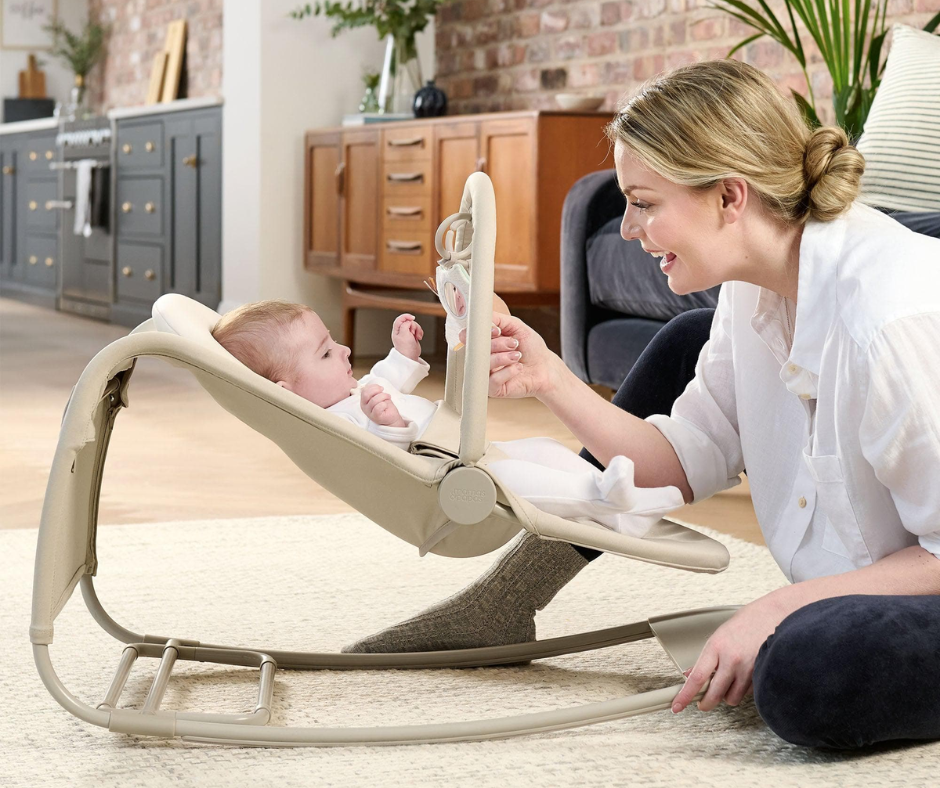
At this point in a child’s life, they’ve acquired new skill set and newfound independence. While using soothing tools during the day can still be as helpful as in those earlier months, tools like stroller walk or baby swing chair use during wake periods can set as a relaxing stage to build up sleep pressure. This is the time when their nighttime sleep is heavily anchored on consistent routines and clear boundaries. The 12 month sleep regression doesn’t happen on random, this have deeper roots which are usually from their developmental progress. With this knowledge you’ll be able to respond to their needs more confidently instead of feeling down and unmotivated as you might think that your progress has been undone.
Understanding Why the 12 Month Sleep Regression Occurs
The main reason behind the 12 month sleep regression is largely on their rapid developmental growth. This is the time when significant changes usually sets in,
- Physical mobility
- Language Development
- Cognitive awareness
- Emotional attachment
These sleep disruptions happens because your child’s brain is too occupied to master these new skills. It’s comparable to when an adult is having struggles in sleeping as they’re nearing an exciting event, babies can also find it difficult to “turn off” their hyperactive mind and bodies.
In addition to this, separation anxiety also intensifies at this age. Since your child is starting to understand an object’s permanence, this can make bedtimes feel more distressing than it usually did at 8 to 9 months phase.
Common Signs Your Baby Is Reaching a One-Year Sleep Milestone
Every baby’s experience of the 12 month sleep regression is different, but there are consistent signs that are very telling and mostly noticed by most parents.
- Increased night wakings
- Early morning rising
- Shortened naps
- Bedtime resistance
- Standing or crying in the crib
- Clinginess during the day
For some babies who previously slept 10 – 12 uninterrupted hours they may suddenly wake multiple times in the night. For some babies who take 2 reliable naps, they may start fighting one or both naps. The key is recognizing that these changes happen along with developmental leaps rather than just assuming that your baby has forgotten how to rest.
How New Physical Skills Like Standing and Walking Disrupt Rest
One of the biggest contributors of the 12 month sleep regression is the gross motor development. Around this time babies usually start,
- Pulling to stand
- Cruising along the furniture
- Attempting independent steps
- Squatting and climbing
Your baby will try and practice these skills in the crib even at 2 a.m. Standing up is exciting for them but sitting back down can sometimes be harder to do than it looks. Many babies cry simply because they don’t know how to get back down safely on their own. This physical restlessness isn’t defiance to sleep; it’s them practicing their new skillset. Their bodies are primed for movement, even during those sleep windows.
To minimize the disruptions, you can,
- Offer plenty of daytime floor practice
- Encourage safe climbing and cruising
- Practice “stand and sit” repeatedly before bedtime
To build up their physical confidence during the day is also building up a restful sleep that also minimizes their need for practice during the night.
The Impact of Cognitive Leaps and Language Bursts on Sleep
The 12 month sleep regression is more than just movement, their mental growth is also considerable. Around one year, babies starts,
- Understanding simple commands
- Saying their first words
- Pointing at stuff intentionally
- Engaging in problem-solving play
It’s harder to wind down given this cognitive expansion. As your baby may replay interactions in their minds or they can feel excited about the new communicational abilities they have. To add to this, their increased awareness of their routines can lead to more bedtime stalling. If your baby starts to recognize that pajamas is followed with separation, they may protest and stall earlier in the process. Keeping a predictable bedtime routine can also become especially important in this stage.
Managing the Transition from Two Naps to One During This Stage
Many parents assume that the 12 month sleep regression means that it’s time to drop to one nap in the course of the day. But, during this transition it could often be premature. Most babies are not truly ready to drop to one nap per day until the age of 14 – 18 months. What happens during the 12 month period, are nap resistance that are temporary and often linked to their developmental excitement rather than the decreased amount of sleep needs.
Before dropping a nap, you can ask yourself,
- Is my baby overtired by the evening?
- Are wake windows becoming too long?
- Does skipping a nap lead to early bedtime meltdowns?
- If your baby becomes fussy or too wired by the late afternoon, they will likely still need two naps.
To manage the temporary nap refusal,
- Cap morning naps to 60 – 75 minutes
- Slightly adjust wake windows, about 15 – 30 minutes
- Maintain a consistent nap timing
- Small schedule tweaks can help resolve the short-term nap disruptions.
Differentiating Between a Sleep Regression and a Permanent Nap Drop
It can be a challenge to identify whether the 12 month sleep regression is the signal of a more permanent schedule shift. But there are signs that it’s likely just a regression when,
- Their sleep suddenly changes after a consistent pattern
- Night wakings are happening along with developmental milestones
- Improved sleep on some days
There are also signs that your child is ready to have a nap transition,
- Consistent refusal of one nap for 2 – 3 weeks
- Long stretches of happy wakefulness
- Solid nighttime sleep even with those nap changes
Overhauling your child’s sleep schedule isn’t advisable especially during the first week with sleep disruption. It’s best to give grace and time for your baby to adjust before assuming that their sleeping needs are permanently changed.
Effective Ways to Handle Nighttime Boundary Testing and Protests
At the age of 12 months, most babies learn to experiment about cause and effect which makes the 12 month sleep regression often includes the nighttime protests that could somehow feel intentional.
Your child may try to,
- Cry harder when you leave
- Throw pacifiers
- Stand and refuse to lie down
- Call out to you repeatedly
Keeping things consistent is the key here. If you previously used a specific sleep approach, whether with the gentle check-ins or independent settling, stick with it. Changing your approach nightly can create confusion and prolonged disruptions. Techniques that could help include,
- Keeping the interactions brief and calm
- Avoid new sleep props
- Repeating a consistent phrase for example, “It’s sleepy time.”
- Laying baby down once they’re calm
But remember that reassurances don’t mean restarting habits that you’ve already worked on to fade.
How Long the 12 Month Regression Lasts and Tips for Staying on Track
What better to learn that the 12 month sleep regression is only temporary. For most babies it will only last for about 2 to 6 weeks, which will depend on factors like consistency, temperament, and how quickly their milestones will stabilize.
To stay on track and keep this regression within range, you can,
- Protect their bedtime – An earlier bedtime can prevent the overtiredness.
- Keep your routine intact – Keep bath, pajamas, feeding, books, and lights-out consistently every night.
- Encourage Daytime Practice – The more they practice their newly obtained skills like standing, walking, and talking during the day, they’re less likely to practice these skills during the night.
- Stay predictable – Respond to any protest the same way, every time.
- Avoid Overcompensating – The frequent rocking, feedings, or co-sleeping can create new sleep dependencies that could be harder to fade in the coming months.
Emotional Reassurance for Parents
The 12 month sleep regression can feel exhausting, especially when you see a great progress with your child’s sleeping pattern. But this phase in contrast proves that your child is growing well. This regression isn’t caused by a mistake, they’re expanding their world, cognitively, emotionally, and physically.
So, keep it in your mind that,
- Progress isn’t always linear
- Developmental leaps can disrupt sleep
- Consistency brings sleep back on track
- Give yourself a much needed grace.
- Protect your own rest as well.
- Ask support whenever you need it.
Conclusion
The 12 month sleep regression is a powerful season of transformation. Standing will turn into walking, babbling into words, and their dependence is slowly growing into independence. Although their sleep will get all chaotic for a few weeks this don’t typically last and this milestone actually signifies that your child is thriving.
Keeping things consistent, resisting premature schedule changes, and just supporting their developmental growth during wake windows, you’re guiding them back to a more restful and stable sleep.
This stage isn’t forever even though it could feel like it. With the patience and structure, the restful nights will return, and you’re going to look back to this season with peace knowing that you’ve made it through this steppingstone in your child’s remarkable first year of life.